
Thermostatic · ±2°C Accuracy · In-Wall Installation

Concealed Thermostatic
Shower Mixers

Wax element cartridge. ±2°C temperature accuracy. Brass body. In-wall installation. CE-certified to EN 1111/EN 1287, cUPC-certified for North America. Five in-house finishes. OEM from 200 pieces with in-house tooling.

ISO 9001:2015 CE cUPC WaterMark 17+ Years Manufacturing 500,000-Cycle Tested
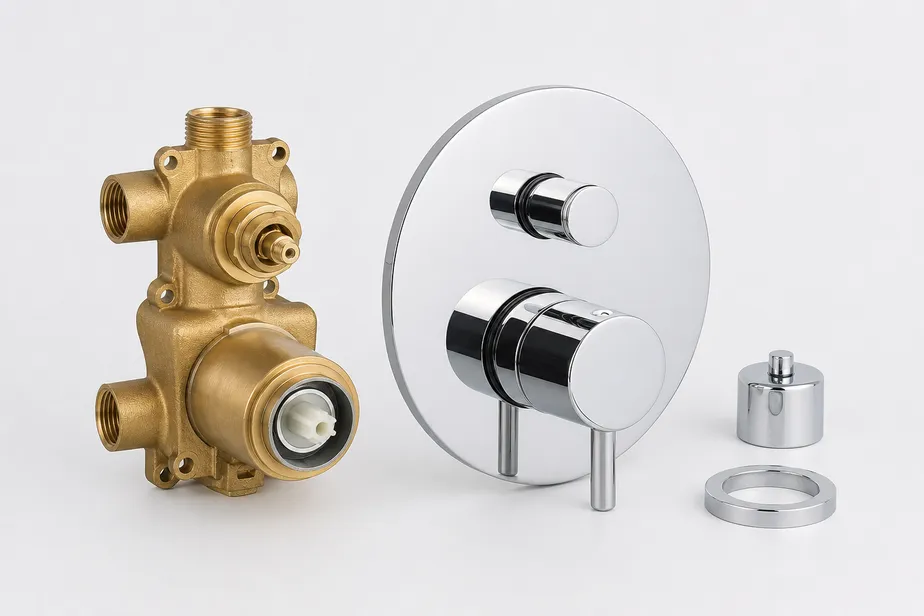
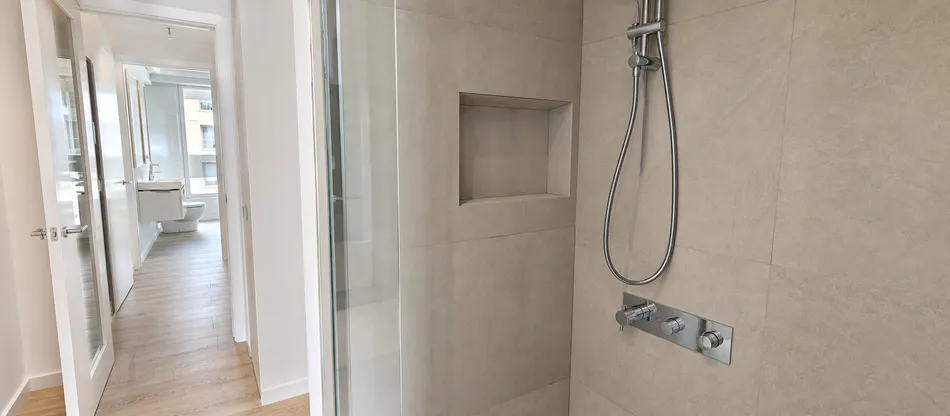
Concealed thermostatic shower mixer — brass body with trim plate, in-wall installation

Product Overview

What This Product Is and Where It Sits in the Line

A concealed thermostatic shower mixer is the in-wall valve that does two jobs simultaneously: it holds the outlet water temperature within a tight tolerance of the set point regardless of supply pressure fluctuations, and it keeps the valve body hidden behind the wall with only the trim plate and handle visible.

The thermostatic function is what separates this product from our standard concealed shower mixer — that one is pressure-balanced, which controls flow but not temperature. This one controls both.

Within our eight-variant concealed shower line, the thermostatic mixer occupies the specification tier where scald protection is either a code requirement or a strong market expectation. In the UK and most of Europe, thermostatic shower valves are required by building regulations for commercial installations and strongly recommended for residential. In Australia, commercial projects increasingly specify thermostatic as standard. In North America, the thermostatic concealed mixer is the premium residential specification — contractors and designers use it to differentiate a high-end bathroom from a standard one. If your buyers are in any of these markets, this is the variant they'll ask for by name.

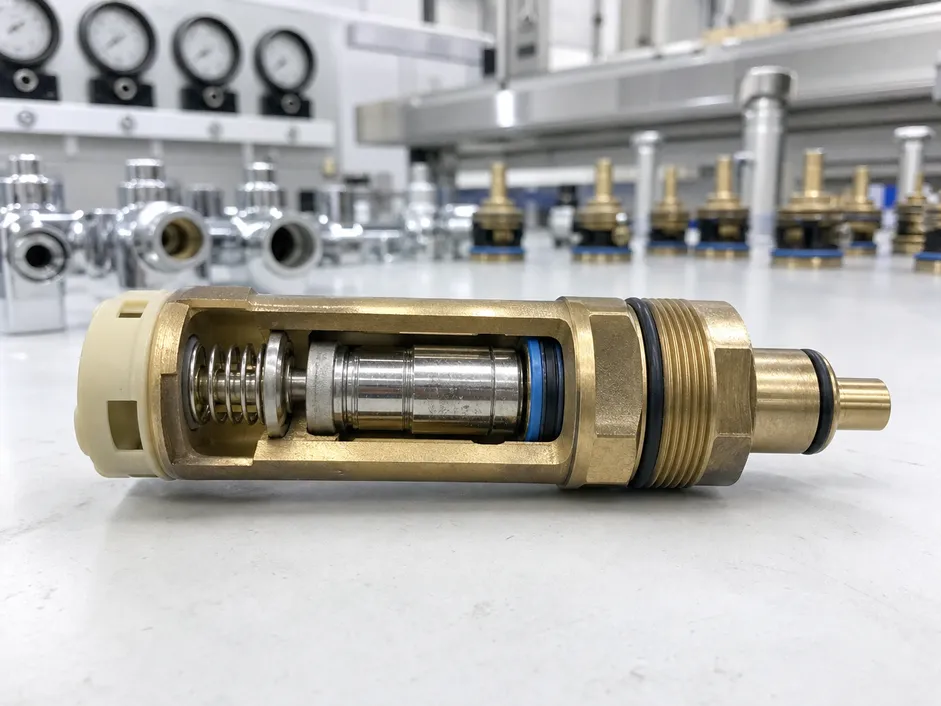
The valve body is the same C36000-equivalent free-machining brass we use across the concealed shower line. What's specific to this product is the thermostatic cartridge: a wax element design that responds to outlet temperature changes and adjusts the hot/cold mixing ratio to maintain the set point within ±2°C. That ±2°C figure is the EN 1111 standard for thermostatic shower valves, and it's the number your European buyers will check against their project specifications.

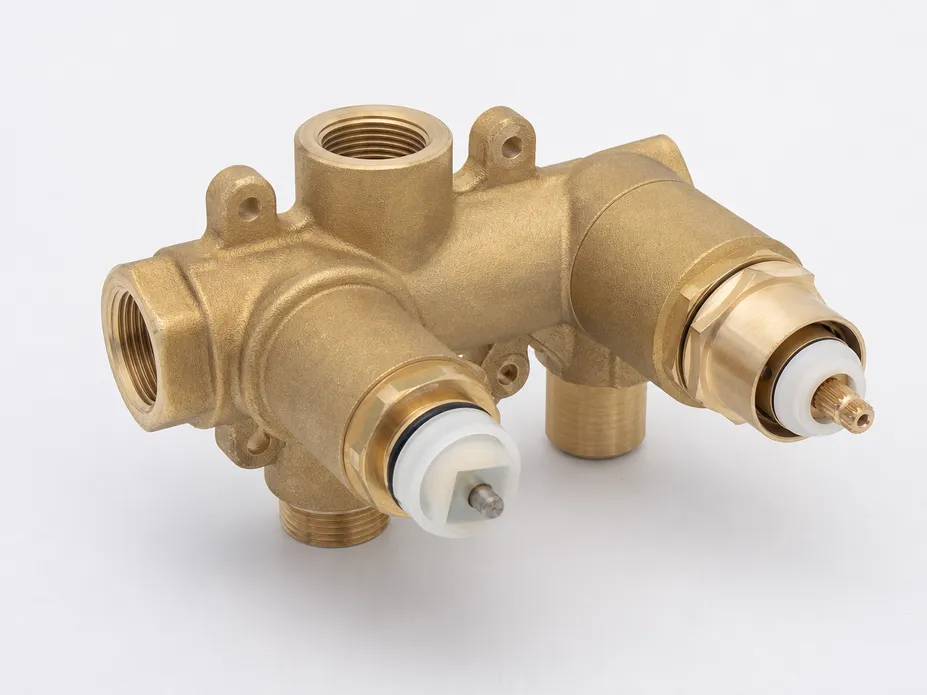
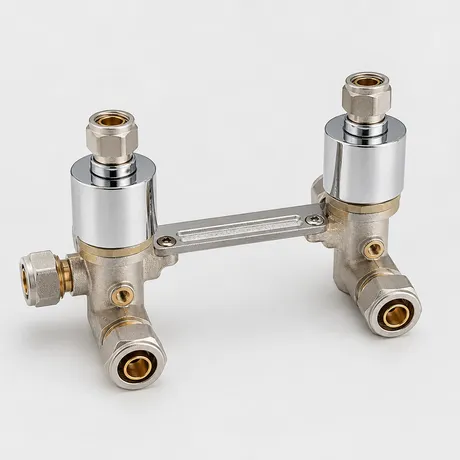
Concealed thermostatic shower mixer valve body — C36000 brass with wax element cartridge

Thermostatic Control

Wax element cartridge maintains ±2°C of set point regardless of supply pressure changes. Pressure-balanced valves cannot do this.

Anti-Scald Protection

Automatic shut-off above 38°C (adjustable). Required by building regulations in UK/EU commercial and increasingly specified in AU commercial.

Concealed Installation

Valve body sits in-wall. Only the trim plate and handle are visible. Rough-in depth 60–90mm from finished wall surface.

Multi-Market Certified

CE (EN 1111/EN 1287) for Europe, cUPC for North America, WaterMark for Australia. One product, three major market certifications.

UK & Europe

Code Requirement

Required by building regulations for commercial installations. Strongly recommended for residential.

Australia

Commercial Standard

Commercial projects increasingly specify thermostatic as standard. WaterMark certification required.

North America

Premium Residential

The premium residential specification. Contractors and designers use it to differentiate high-end bathrooms.

Product Data

Technical Specifications

Specifications shown are industry-standard values for this product type. Actual specifications may vary by configuration. Contact us for detailed product data sheets and exact parameters for your order.

Parameter Specification
Body material C36000-equivalent free-machining brass
Valve type Thermostatic (wax element cartridge)
Temperature accuracy ±2°C of set point (EN 1111 compliant)
Anti-scald protection Automatic shut-off above 38°C (adjustable)
Rough-in depth 60–90mm from finished wall surface
Max working pressure 0.6 MPa
Min working pressure 0.1 MPa
Temperature range 20–65°C
Flow rate 8–20 L/min at 0.3 MPa
Inlet connection G1/2" (G3/4" available on request)
Outlet configuration Single outlet standard; 2-way diverter available
Trim plate dimensions Approx. 150 × 150mm (custom dimensions available on OEM)
Surface finishes Chrome, brushed nickel, matte black, PVD gold, oil-rubbed bronze
Certifications CE (EN 1111 / EN 1287), cUPC, ISO 9001:2015, WaterMark
OEM MOQ 200 pieces per SKU
Standard lead time 25–35 days
OEM lead time (new tooling) 35–50 days
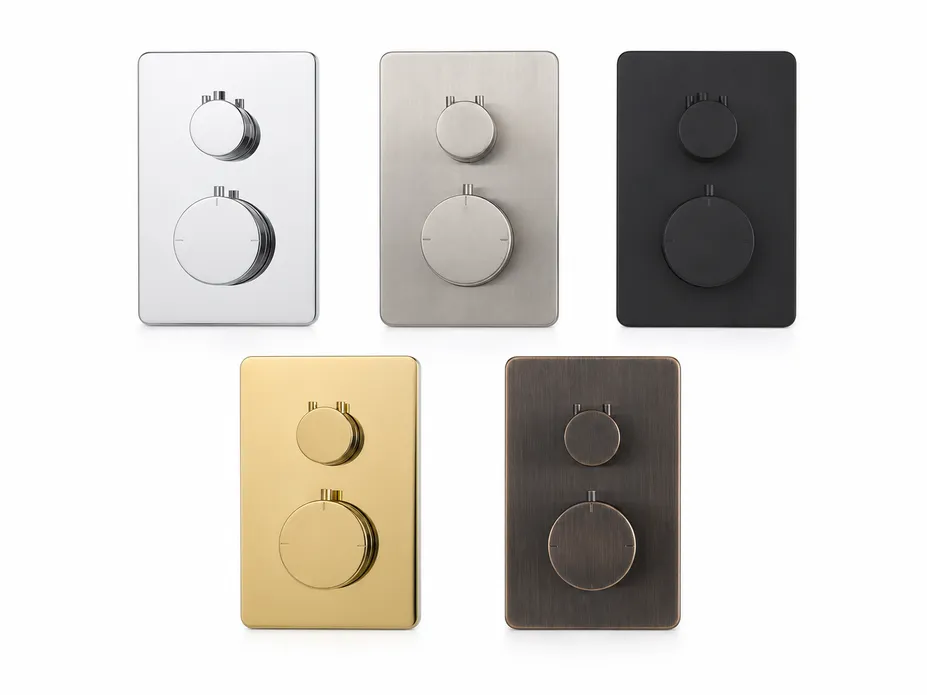
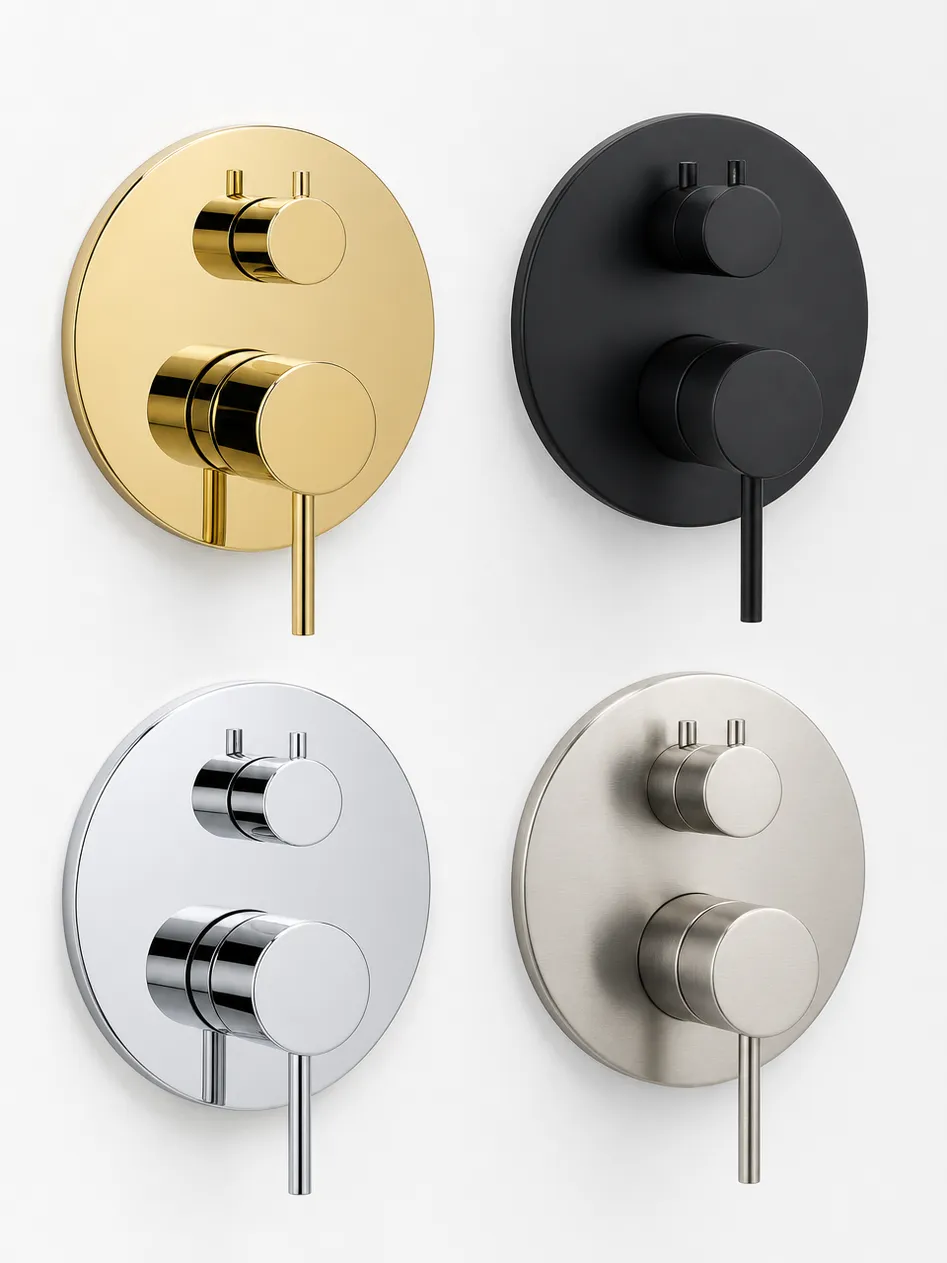
Concealed thermostatic shower mixer trim plate — five available finishes including chrome, brushed nickel, matte black, PVD gold, oil-rubbed bronze

±2°C

Temperature Accuracy

EN 1111 Standard

38°C

Anti-Scald Limit

Adjustable

0.6 MPa

Max Pressure

Min 0.1 MPa

20 L/min

Max Flow Rate

At 0.3 MPa

Available Surface Finishes

Chrome
Brushed Nickel
Matte Black
PVD Gold
Oil-Rubbed Bronze

Custom finishes available on OEM orders. PVD coatings tested to 10,000+ hours salt spray.

Certifications & Standards

CE

EN 1111 / EN 1287

cUPC

North America

WaterMark

Australia

ISO 9001

:2015

For Brands & Distributors

OEM & Private Label Options

We manufacture for brands, not just buyers. From trim plate geometry to handle ergonomics to finish specifications, the concealed thermostatic mixer can be configured to carry your brand identity — not ours.

Trim & Handle Design

Trim plate shape, handle profile, and escutcheon geometry can all be tooled to your specification. Round, square, or custom forms. Minimum tooling investment with volume commitment.

  • Custom trim plate dimensions and shape
  • Branded handle with logo emboss or deboss
  • Temperature indicator ring styling
  • New tooling lead time: 35–50 days

Finish Specifications

Standard finishes ship from existing tooling. Custom PVD colour matching is available for brand-specific tones. All PVD finishes are tested to 10,000+ hours salt spray resistance.

  • 5 standard finishes, no MOQ premium
  • Custom PVD colour matching available
  • Electroplating and powder coat options
  • Finish durability test reports provided

Packaging & Documentation

Retail-ready packaging with your branding, multilingual installation guides, and compliance documentation formatted for your target markets. We handle the paperwork so you can focus on selling.

  • Custom retail box design and print
  • Multilingual installation instructions
  • CE Declaration of Conformity included
  • Barcode, SKU, and label customisation

Typical OEM Process

1

Enquiry

Share requirements & target market

2

Quotation

Spec sheet, pricing, and lead time within 48h

3

Sample

Pre-production sample for approval

4

Production

25–50 days depending on configuration

Delivery

FOB Ningbo or CIF to your port

OEM Minimum Order

200 pcs / SKU

Mix finishes within the same valve body

Standard Lead Time

25–35 days

Existing tooling, confirmed artwork

New Tooling Lead Time

35–50 days

Custom trim, handle, or packaging

Plumber & Installer Reference

Installation & Compatibility

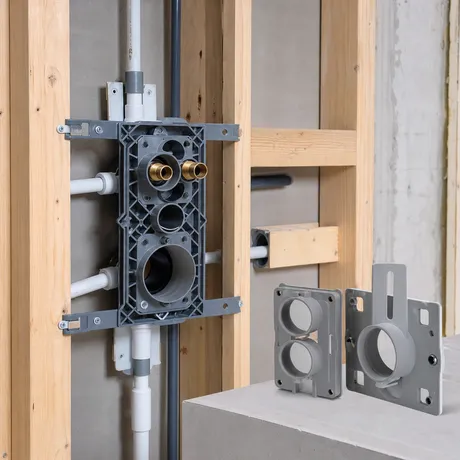
Designed for straightforward rough-in with standard plumbing configurations. The valve body installs during the build phase; the trim plate and handle fit after tiling is complete.

Rough-In & Trim-Out Process

1

Mark Rough-In Position

Centre the valve body at the desired height. Standard shower valve height is 900–1100mm from finished floor. Mark hot (left) and cold (right) inlet positions at standard 150mm centres.

2

Install Valve Body

Connect hot and cold supply lines to the valve inlets. Ensure the valve face sits 60–90mm behind the finished wall surface. Use the supplied depth gauge bracket to set position before securing.

3

Pressure Test Before Tiling

Cap the outlet and pressure test at 1.5× working pressure for a minimum of 30 minutes. Confirm no leaks before closing the wall. This step is critical — do not tile over an untested valve.

4

Tile & Finish Wall

Tile around the valve body. Leave the spindle access clear. The trim plate will cover the tile cut-out — a neat finish is not required behind the plate, but the spindle must remain accessible.

5

Fit Trim Plate & Handle

Slide the trim plate over the spindle and secure with the concealed fixing screws. Attach the handle and set the maximum temperature stop to the required limit. Commission and test flow and temperature.

System Compatibility

Combi Boiler Systems

Compatible. Ensure minimum 0.1 MPa dynamic pressure at the valve inlet. Combi boilers with low flow rates may require a pressure-compensating inlet kit.

Gravity-Fed (Vented) Systems

Compatible at minimum 1m head pressure. For low-head installations, a pump-assisted supply is recommended to maintain balanced pressure across hot and cold inlets.

Unvented (Pressurised) Systems

Fully compatible. Balanced pressure across inlets ensures optimal thermostatic performance. Pressure-reducing valve recommended if mains pressure exceeds 0.6 MPa.

Solar & Heat Pump Hot Water

Compatible. The thermostatic element handles variable inlet temperatures effectively. Ensure hot supply does not exceed 65°C at the valve inlet.

Heavily Imbalanced Pressure

If hot and cold inlet pressures differ by more than 2:1, thermostatic performance may be affected. Install pressure-balancing valves on the supply lines to equalise.

Key Installation Notes

  • Always connect hot supply to the left inlet and cold to the right. Reversed connections will cause the thermostatic element to malfunction.
  • Flush supply lines thoroughly before connecting to the valve to remove debris that could damage the cartridge.
  • Do not use PTFE tape on the cartridge threads — only on the body inlet connections.
  • Set the maximum temperature stop before commissioning. Factory default is 38°C; adjust to local code requirements.
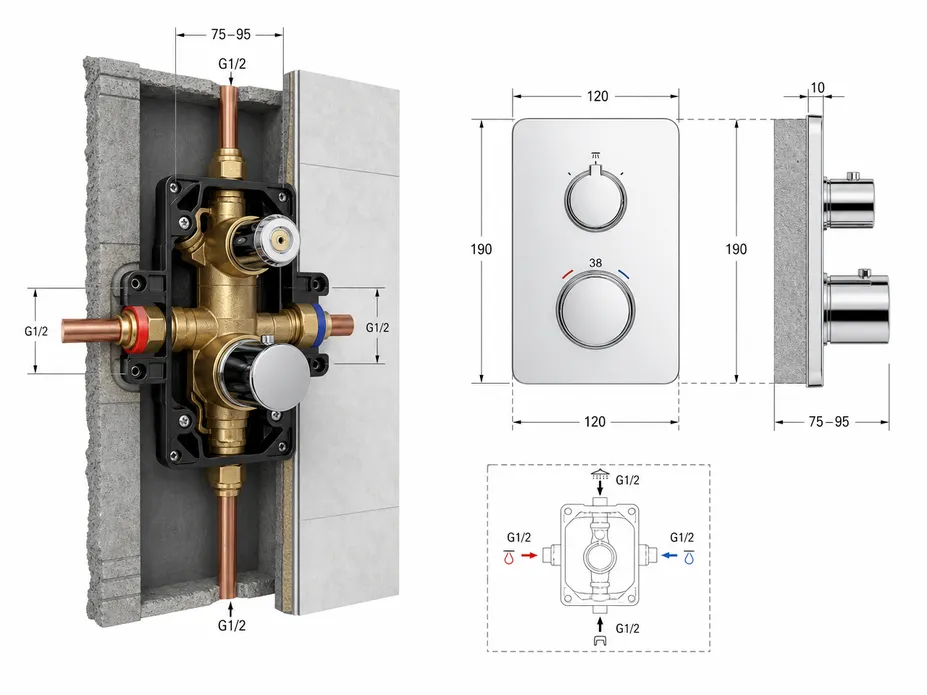
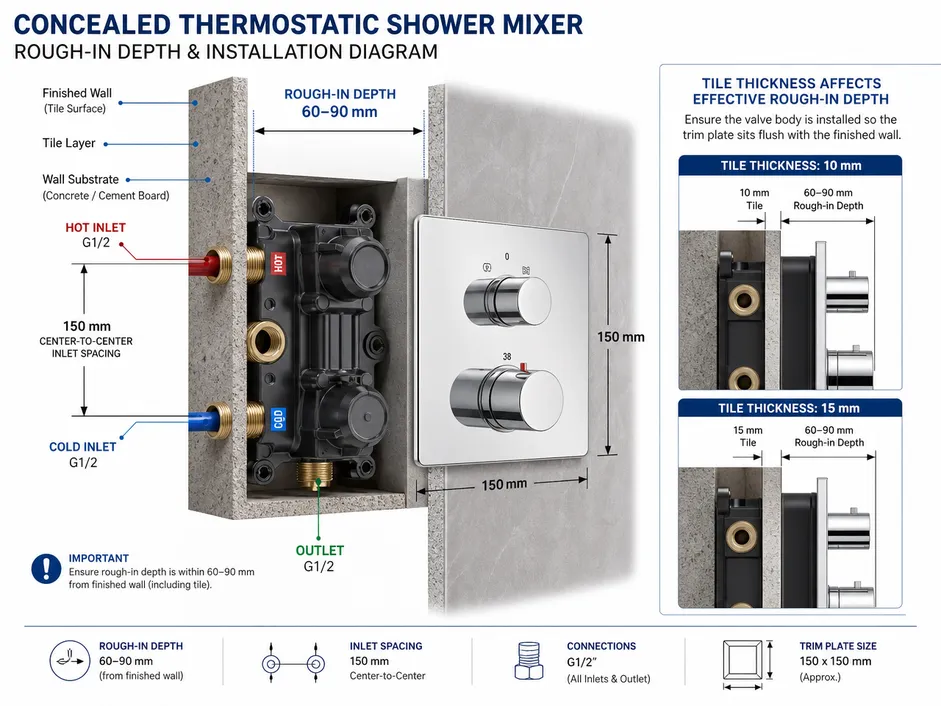
Concealed thermostatic shower mixer rough-in diagram showing valve body depth, inlet positions, and trim plate clearance dimensions

Common Questions

Frequently Asked Questions

Questions we hear most often from buyers, specifiers, and installers. If yours isn't here, contact us directly.

What is the difference between a thermostatic and a manual shower mixer?

A manual mixer blends hot and cold water in a fixed ratio set by the user. If the incoming water temperature changes — because someone runs a tap elsewhere in the building — the outlet temperature changes too. A thermostatic mixer uses a wax element cartridge that continuously senses and adjusts the blend to maintain the set temperature within ±2°C, regardless of supply fluctuations. It also includes an automatic shut-off if the cold supply fails, preventing scalding.

Is a concealed thermostatic mixer harder to install than an exposed one?

The rough-in stage requires more planning because the valve body must be positioned correctly before the wall is tiled. However, the trim-out stage — fitting the plate and handle after tiling — is straightforward. The key requirement is accurate positioning during rough-in and a pressure test before closing the wall. For new builds and full bathroom renovations, concealed installation adds minimal complexity. Retrofitting into an existing tiled wall is more involved and typically requires opening the wall.

Can I use this valve with a gravity-fed (low pressure) system?

Yes, provided you have a minimum of 1m head pressure (approximately 0.01 MPa) at the valve inlet. Most gravity-fed systems in two-storey homes meet this requirement when the cold water tank is in the loft. For very low-head installations — typically where the tank is less than 1m above the shower head — a pump-assisted supply is recommended. Ensure hot and cold pressures are balanced; a significant imbalance will affect thermostatic accuracy.

What does the maximum temperature stop do, and should I adjust it?

The maximum temperature stop is a mechanical limiter on the handle that prevents the user from turning the temperature above a set point. The factory default is 38°C, which is within the safe bathing range for adults. It can be adjusted during commissioning — typically to 43°C for adult-only households, or left at 38°C where children or vulnerable users are present. UK Building Regulations and NHS guidance recommend a maximum of 38°C in care settings and homes with young children. The stop does not affect the thermostatic safety shut-off, which operates independently.

How do I know if my hot and cold supply pressures are balanced?

The simplest check is to measure dynamic pressure at both inlets using a pressure gauge before connecting the valve. On unvented and combi systems, pressures are usually naturally balanced. On gravity-fed systems, the cold supply comes from a tank and the hot from a cylinder — both fed by gravity — so pressures are typically equal. Problems arise when one supply is mains-fed and the other is gravity-fed, creating a large imbalance. If the ratio exceeds 2:1, fit pressure-balancing valves on the supply lines before the mixer.

Does the valve require any ongoing maintenance?

Thermostatic cartridges should be inspected and descaled every 12–18 months in hard water areas, and every 2–3 years in soft water areas. The inlet filters (supplied with the valve) should be cleaned annually. Cartridge replacement is straightforward — remove the handle and trim plate, unscrew the cartridge retaining nut, and swap the cartridge. No specialist tools are required. The concealed design means the valve body itself never needs to be accessed for routine maintenance; only the cartridge and filters are serviceable from the front.

Can I connect multiple outlets — shower head and body jets — to one valve?

Yes. This valve has two outlets, allowing you to connect two separate water outlets — for example, an overhead shower and a handset, or a shower head and body jets. A diverter or sequential flow control allows you to switch between or run both simultaneously, subject to your system's flow rate capacity. If running multiple outlets at once, ensure your boiler or hot water system can sustain the combined flow demand. A single-outlet version is also available if only one outlet is required.

What certifications does this valve carry?

The valve is WRAS approved (Water Regulations Advisory Scheme), confirming it meets UK water regulations for use in potable water systems. It also carries CE marking and complies with BS EN 1111 (thermostatic mixing valves for sanitary purposes) and BS EN 1287 (low-pressure thermostatic mixing valves). WRAS approval is a requirement for any fitting connected to the mains water supply in the UK and is increasingly specified by local authorities and housing associations.

Core Component

The Thermostatic Cartridge: Where the Performance Lives

The cartridge determines whether a thermostatic shower mixer performs to spec over its service life — and it's where we've been most particular in this product line.

Wax Element Design: How It Works

We use a wax element thermostatic cartridge design. The wax element expands and contracts in response to outlet water temperature, mechanically adjusting the mixing ratio between hot and cold supply to hold the set point.

The mechanism is self-regulating: if the cold supply pressure drops — someone flushes a toilet, a washing machine fills — the cartridge responds within seconds to compensate, keeping the outlet temperature stable.

Anti-Scald: Built Into the Same Mechanism

If the cold supply fails entirely, the cartridge closes the hot water path automatically, preventing scalding at the outlet. This is not a separate safety add-on — it's integral to the wax element design.

Hard Water Performance Advantage

Wax element thermostatic cartridges are less sensitive to mineral buildup than ceramic disc pressure-balanced designs. The wax element mechanism doesn't rely on tight ceramic disc tolerances to function.

For buyers distributing in markets above 250 ppm calcium carbonate hardness: this thermostatic mixer holds up better in high-hardness water conditions than a standard pressure-balanced valve. This is a meaningful specification advantage in those markets.

Wax element thermostatic cartridge detail showing internal mechanism

Qualification & Endurance Testing

Pre-Qualification: 50,000-Cycle Test

Every new cartridge source must pass a 50,000-cycle pre-qualification test before entering production. This requirement came directly from experience with two suppliers who passed paper qualification but showed early failure rates in endurance testing — both were removed from the approved list.

Production Batch: 500,000-Cycle Endurance Test

Not just new product introductions — every production batch goes through 500,000-cycle endurance testing. The test verifies temperature set point held within ±2°C throughout the cycle count.

Anti-Scald Shut-Off Verified Per Batch

Each batch test also verifies that the anti-scald shut-off activates correctly at the threshold temperature — not assumed from design, confirmed in production.

±2°C

Temperature accuracy maintained across 500,000 cycles

500K

Cycle endurance test on every production batch

250+ ppm

Performs reliably in high-hardness water markets

Certifications

Compliance Coverage: What Certifications This Product Carries

Thermostatic shower valves are regulated products in every major export market, and the certification requirements are specific to the thermostatic function — not just general plumbing compliance.

CE

CE — EN 1111 / EN 1287

European Market

EN 1111 covers thermostatic mixing valves for sanitary purposes, specifying the ±2°C temperature accuracy requirement and the anti-scald shut-off function. EN 1287 covers low-pressure thermostatic mixing valves.

Our concealed thermostatic mixer is CE-certified to both standards, covering the full pressure range from low-pressure gravity-fed systems to standard mains pressure.

Documentation: CE declaration of conformity and technical file travel with every European shipment.

cUPC

cUPC (IAPMO) — ASSE 1070

North American Market

For the North American market, thermostatic shower valves need to meet ASSE 1070 performance standards. Our cUPC certification covers this requirement.

Documentation package: test reports, certificate of conformity, and HS code classification with every North American shipment. If your customs broker needs a binding ruling reference for pre-clearance, we can provide that.

WM

WaterMark — AS 4032

Australia & New Zealand

The WaterMark certification covers thermostatic mixing valves under AS 4032 for Australia and New Zealand.

Documentation: WaterMark license is current and documentation is available on request.

Middle East & Southeast Asia

Regional Markets

CE documentation is accepted in most Middle East and Southeast Asia jurisdictions. Some Gulf states have local standards that require additional documentation — we've navigated those requirements for existing buyers in the region and can advise on specific market needs.

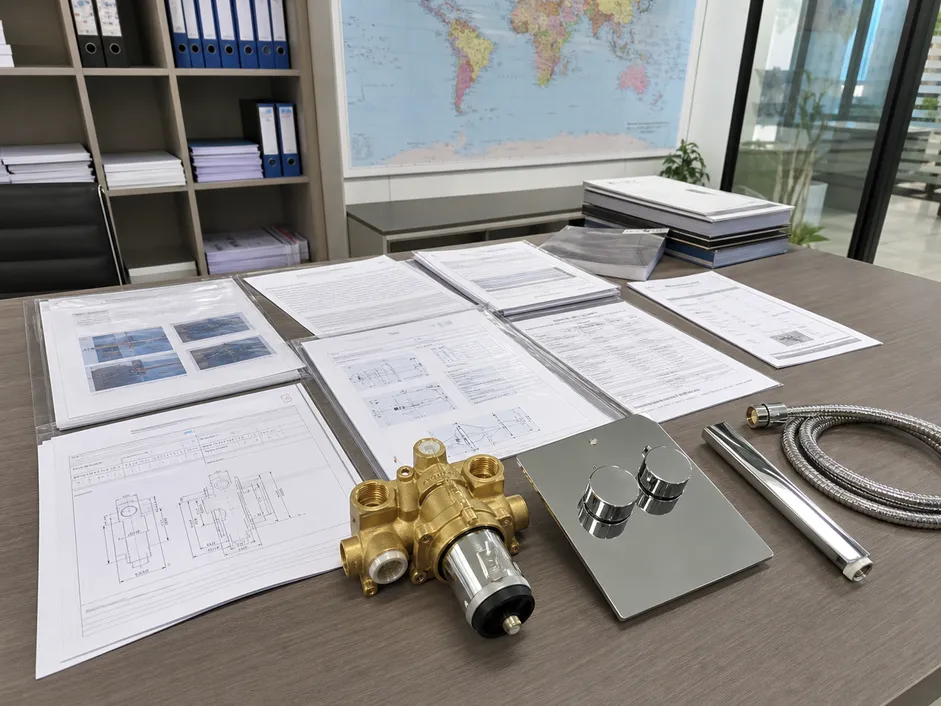
CE cUPC WaterMark certification documentation for concealed thermostatic shower mixer

Certification Coverage at a Glance

CE (EN 1111 / EN 1287)

Europe — full pressure range

Current

cUPC / ASSE 1070 (IAPMO)

North America

Current

WaterMark (AS 4032)

Australia & New Zealand

Current

CE Accepted + Local Advisory

Middle East & Southeast Asia

Available

Full Documentation Package Available

All certification documents, test reports, and HS code classifications are available for every market. Contact us to request the documentation package relevant to your target market.

View full certifications documentation
Volume Channels

Market Segments Where This Product Generates Repeatable Volume

The thermostatic concealed mixer isn't a commodity SKU — buyers who specify it are making a deliberate choice, which means the margin profile is better than pressure-balanced alternatives and the reorder pattern is more predictable. Here's where the volume concentrates.

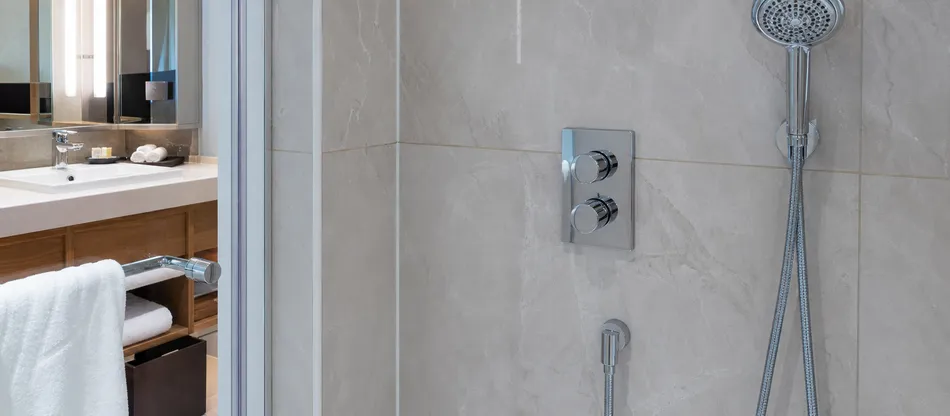
Thermostatic concealed shower mixer installed in hotel bathroom

Commercial Hospitality

Hotels and Serviced Apartments

Hotel operators specify thermostatic shower valves because scald liability is a real operational concern. A guest scalded by a shower temperature spike is a liability event; a thermostatic valve that holds temperature within ±2°C eliminates that risk at the fixture level.

Hospitality procurement typically runs 50–500 units per property, with repeat orders as properties expand or renovate additional floors. We've shipped several hospitality projects to the Middle East and Southeast Asia in this configuration — the thermostatic concealed mixer is the standard spec for four- and five-star properties in those markets.

CE Certified cUPC Certified 50–500 units/property
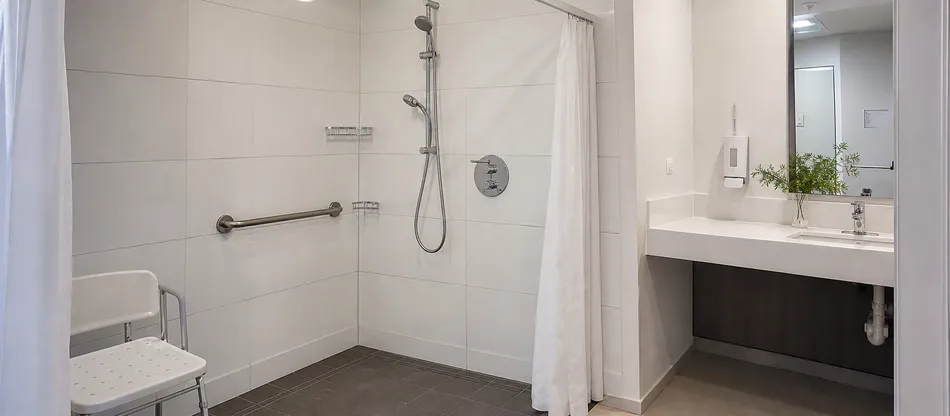
Thermostatic shower valve for healthcare and residential care facilities

Residential Care & Healthcare

Nursing Homes, Assisted Living, and Healthcare Facilities

Nursing homes, assisted living facilities, and healthcare settings have mandatory thermostatic requirements in most markets — the scald risk for elderly and mobility-impaired users is a regulatory concern, not just a preference. In the UK, HTM 04-01 guidance specifies thermostatic mixing valves for all patient and resident shower points.

These projects run 20–200 units per facility, with procurement through specialist healthcare plumbing distributors. If you're building a distribution program in the UK or European healthcare channel, this is a required SKU.

HTM 04-01 CE Certified 20–200 units/facility
Premium residential bathroom renovation with concealed thermostatic shower mixer

Premium Residential

High-End Bathroom Renovation

Homeowners and interior designers specifying concealed systems for high-end bathroom remodels. In North America and Europe, the thermostatic concealed mixer is the specification that separates a premium bathroom from a standard one — contractors use it as a selling point, and designers specify it by name.

Volume per project is lower (1–5 units), but the margin per unit is higher and the reorder pattern through plumbing showrooms and kitchen-and-bath distributors is consistent. This segment has grown for us in the North American and European markets over the last several years — worth building into your catalog if you're serving the premium residential channel.

1–5 units/project Higher margin/unit NA & EU markets
Multi-unit residential development specifying thermostatic concealed shower mixers

Multi-Unit Residential

Apartment Buildings and Condominium Projects

Property developers specifying thermostatic concealed mixers across apartment buildings and condominium projects. In markets where thermostatic is code-required for residential (increasingly common in Europe), this is a volume segment — 200–2,000 units per project depending on scale.

Developers in this segment are price-conscious but specification-driven; they need the CE documentation to satisfy building control, and they need consistent product across the project so the finish matches unit to unit.

CE Certified 200–2,000 units/project Consistent finish matching

50–500

units per hotel property

20–200

units per healthcare facility

1–5

units per premium reno, higher margin

200–2,000

units per multi-unit development

Installation Reference

Rough-In and Installation Parameters: What Your Customers Need to Know

The concealed thermostatic mixer goes into the wall before tile work starts, which means installation parameters need to be right before the project is committed. This is the information your contractor customers will check before specifying the product.

Rough-In Depth

60–90mm from the finished wall surface. This range covers standard wall construction in our primary export markets: drywall plus tile in North America, tile on cement board in Europe and Australia.

The rough-in guide included with every valve body shipment specifies the installation depth for each wall construction type. For projects with non-standard wall assemblies — thicker tile, double-layer drywall, or specific commercial wall systems — we can adjust the rough-in depth specification on OEM orders.

Supply Connections

Standard G1/2" hot and cold inlets, 150mm center-to-center spacing (standard for concealed shower rough-in). G3/4" inlets are available on request for high-flow applications.

The outlet is G1/2" standard; for 2-way diverter configurations, both outlets are G1/2".

Pressure Requirements

Minimum 0.1 MPa for the thermostatic cartridge to function correctly. This covers most mains pressure systems; for gravity-fed systems below 0.1 MPa, the low-pressure EN 1287 configuration is the correct specification.

Maximum working pressure 0.6 MPa — standard for residential and commercial plumbing systems in all our export markets.

Trim Plate Clearance

The trim plate requires a flat, tiled wall surface with the valve body centered within the plate opening. Standard trim plate dimensions are approximately 150 × 150mm; custom dimensions are available on OEM orders.

The escutcheon covers the rough-in opening and the supply pipe connections, so the finished installation shows only the trim plate and handle.

Concealed thermostatic shower mixer rough-in depth and installation diagram

Quick-Reference: Installation Parameters

Rough-in depth

60–90mm from finished wall

Inlet connections

G1/2" standard; G3/4" on request

Inlet spacing

150mm center-to-center

Outlet

G1/2" (both outlets on 2-way)

Min. working pressure

0.1 MPa (low-pressure EN 1287 config available)

Max. working pressure

0.6 MPa

Trim plate (standard)

~150 × 150mm; custom on OEM orders

Installer Note: Tile Thickness and Rough-In Depth

The most common installation error is setting the rough-in depth at the shallow end of the range without accounting for tile thickness. A 10mm tile adds 10mm to the effective wall depth — if the valve body is set at 60mm rough-in and the tile is 10mm thick, the effective depth is 70mm, which is still within range. But if the contractor sets the rough-in at 60mm and the tile is 15mm thick, the trim plate won't seat correctly. We include a depth calculation guide in the installation documentation to prevent this.

OEM & Custom Programs

OEM and Custom Trim for Thermostatic Concealed Mixer Programs

Most buyers building a thermostatic concealed shower program want some level of differentiation — either a custom trim profile, a private label, or a specific finish combination that their competitors aren't stocking. Here's what's practical at different volume levels.

The valve body is standardized and certified. Modifying it — changing the rough-in depth, adding an outlet, altering the thermostatic mechanism — requires certification re-evaluation, which we manage, but it adds time and cost. The trim kit is where the design differentiation happens without touching the certification, and that's where we focus OEM development.

New Tooling

Custom Trim Profile

Your design brief or reference sample to first sample in 25–35 days. We maintain an in-house tooling room for casting dies and CNC fixtures, so tooling revisions don't go to an outside vendor and add weeks to the timeline.

  • First sample: 25–35 days from design brief
  • In-house tooling room — no outside vendor delays
  • MOQ 200 pieces per SKU
  • Distinctive plate shape, custom handle profile, or unique combination

The path for buyers who want a trim aesthetic specific to their brand — one their competitors can't easily replicate.

Faster Path

Private Label on Standard Trim

Our standard trim profiles with your branding on the packaging and, where applicable, on the handle or escutcheon. The faster path for buyers who want brand differentiation without tooling investment.

  • First sample: 15–20 days
  • No tooling investment required
  • MOQ 200 pieces
  • Branding on packaging, handle, or escutcheon

Useful for testing a new market or a new channel before committing to custom tooling.

All Five In-House Finishes

Finish Customization

All five of our in-house finishes are available on OEM orders. For buyers who need a finish not in our standard range, we can evaluate custom PVD colors on runs over 500 pieces.

  • Chrome
  • Brushed Nickel
  • Matte Black
  • PVD Gold
  • Oil-Rubbed Bronze

Custom PVD colors available on runs over 500 pieces. Below that threshold, the PVD line changeover cost doesn't make sense for either party — but for buyers building a premium program with a distinctive finish, it's worth the conversation.

Certification Coverage for OEM

Custom trim kits paired with our certified valve body carry the valve body's CE and cUPC certifications. If you're modifying the valve body itself, we manage the certification extension documentation — you don't run a full re-certification from scratch.

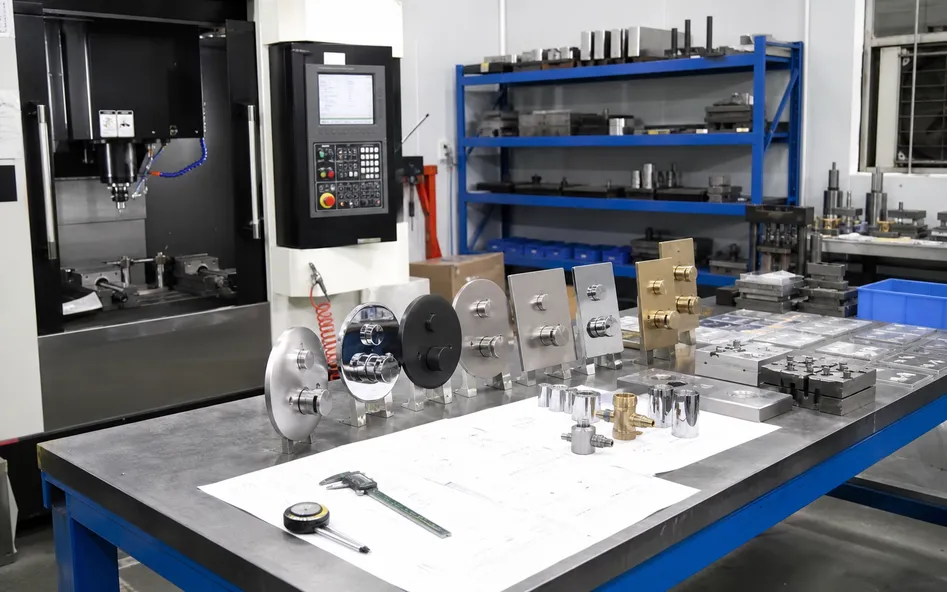
In-house tooling room for custom thermostatic shower trim development at Wfaucet

Build a Program That's Yours

Whether you're entering a new market with private label or building a long-term brand with proprietary trim geometry, the path starts with a conversation about your volume, timeline, and differentiation goals.

Our in-house tooling room means revisions stay on our floor — not waiting at an outside vendor. That matters when you're iterating on a handle profile or escutcheon shape before committing to production.

Finish Performance

Finish Durability in Thermostatic Shower Environments

Thermostatic shower trim lives in a more demanding environment than most bathroom fixtures — daily steam exposure, temperature cycling from cold to hot and back, cleaning chemicals, and frequent handling of the temperature control handle. Finish failure here generates warranty claims and, in the premium segment, brand damage.

Chrome & Brushed Nickel: Multi-Layer Electroplating

Our chrome and brushed nickel finishes run a multi-layer electroplating stack: copper base coat, nickel mid-coat, chrome or brushed top coat. The nickel mid-coat is the corrosion barrier — skipping it is a common cost-cutting move in the industry, and it's why you see chrome shower trim from some factories failing salt spray at 48 hours.

Our chrome passes 24-hour salt spray as a minimum; most batches clear 48 hours. Salt spray test reports travel with the shipment documentation.

PVD Gold & Matte Black: Physical Vapor Deposition

PVD gold and matte black have grown fastest in the premium thermostatic shower segment. Our PVD line runs 0.3–0.5μm coating thickness, with cross-cut tape adhesion testing on every batch before parts move to assembly.

PVD is harder than electroplated finishes and more resistant to the cleaning chemicals that premium bathroom users apply — fewer finish warranty claims from your downstream customers. For buyers targeting the premium residential or boutique hospitality segment, PVD finishes are worth stocking alongside chrome.

Thermostatic shower trim finish options showing PVD gold, matte black, chrome, and brushed nickel durability
Finish Process Salt Spray Notes
Chrome Cu/Ni/Cr multi-layer electroplating 24h+ (most batches 48h) Standard specification
Brushed Nickel Multi-layer electroplating + brushing 24h+ Strong North American demand
Matte Black PVD or electroplating + matte treatment 24h+ Growing in premium segment
PVD Gold Physical vapor deposition, 0.3–0.5μm 24h+ Cross-cut adhesion tested per batch
Oil-Rubbed Bronze Electroplating + patina treatment 24h+ Primarily North American market

Stocking Recommendation for Premium Segments

For buyers targeting the premium residential or boutique hospitality segment, PVD finishes are worth stocking alongside chrome. PVD is harder than electroplated finishes and more resistant to the cleaning chemicals that premium bathroom users apply — the result is fewer finish warranty claims from your downstream customers.

Product Line Navigation

How This Product Compares to Sibling Configurations

The thermostatic concealed mixer is one of eight variants in our concealed shower line. The table below maps each SKU to its valve type and primary application so you can route buyers and specify the right product without back-and-forth.

Product Valve Type Best For
Concealed Shower Mixer Pressure-balanced Volume residential, price-sensitive projects, markets without thermostatic code requirements
Concealed Thermostatic Shower Mixer This Product Thermostatic ±2°C Commercial, healthcare, premium residential, markets with scald protection requirements
2-Way Concealed Shower Mixer Pressure-balanced + 2-outlet diverter Residential and mid-range hospitality with overhead + hand shower
3-Way Concealed Shower Mixer Pressure-balanced + 3-outlet diverter Premium residential and boutique hotel with overhead + hand shower + body jet
Concealed Shower Set Pressure-balanced Complete package buyers — valve + overhead + hand shower
Concealed Shower System Thermostatic Highest-spec complete system — thermostatic mixer + rain head + hand shower + body jets
Concealed Shower Valve Pressure-balanced Rough-in only, for pairing with third-party trim
Concealed Shower Trim Kit N/A (trim only) Replacement and renovation — pairs with existing certified rough-in valve

When to Step Up to the Complete System

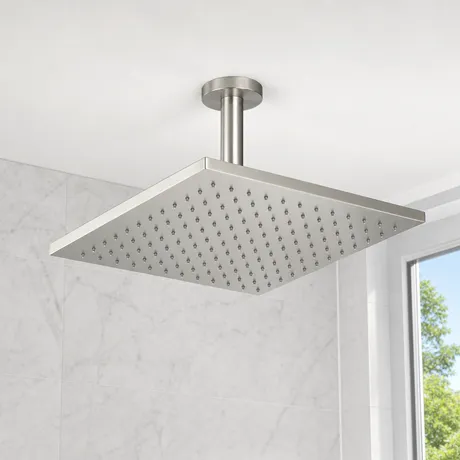
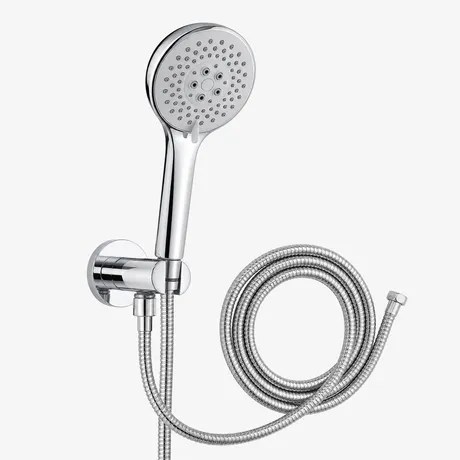
If your market requires thermostatic and your customers want a complete system rather than a valve-only SKU, the Concealed Shower System is the right step up — it includes the thermostatic mixer plus finish-matched overhead rain head, hand shower, and holder. This eliminates sourcing friction for buyers who want a single-vendor, finish-coordinated package.

Valve-Only SKU

Concealed Shower Valve

Rough-in only. Pairs with any certified third-party trim. Ideal when the installer or end-buyer sources finish hardware separately.

Trim Replacement

Concealed Shower Trim Kit

Trim only — no valve. Renovation and replacement programs where the rough-in is already certified and in-wall.

Multi-Outlet

2-Way Concealed Mixer

Pressure-balanced with integrated 2-outlet diverter. Overhead + hand shower in one valve body for mid-range hospitality and residential.

Three-Outlet

3-Way Concealed Mixer

Pressure-balanced with 3-outlet diverter. Overhead + hand shower + body jet. Premium residential and boutique hotel specification.

Buyer FAQ

Frequently Asked Questions

Decision-support answers for distributors, specification engineers, and procurement teams evaluating concealed thermostatic shower mixers.

What is the difference between a thermostatic concealed shower valve and a pressure-balanced concealed mixer?

A pressure-balanced valve maintains a constant ratio between hot and cold supply pressures, which prevents temperature spikes when supply pressure changes — but it doesn't actively control the outlet temperature. If your hot water supply temperature varies (common in systems with shared hot water storage), the outlet temperature varies with it.

A thermostatic valve actively measures the outlet temperature and adjusts the mixing ratio to hold the set point within ±2°C, regardless of supply temperature or pressure fluctuations.

Pressure-Balanced

  • Prevents pressure-spike scalding
  • More cost-effective for standard residential
  • Outlet temp varies with supply temp changes
  • Not suitable where scald codes apply

Thermostatic

  • Holds set point within ±2°C
  • Compensates for supply temp fluctuations
  • Required for commercial, healthcare, care homes
  • Meets scald protection codes globally

For commercial applications, healthcare, and markets with scald protection codes, thermostatic is the required specification. For standard residential applications in markets without code requirements, pressure-balanced is the more cost-effective choice.

Which markets require thermostatic shower valves by code?

If you're building a distribution program for any of these markets, the thermostatic concealed mixer is a required SKU, not an optional upgrade.

🇬🇧

United Kingdom

Building Regulations Part G and NHS HTM 04-01 guidance require thermostatic mixing valves for all shower points in commercial, healthcare, and care home applications.

🇩🇪

Germany & Europe

EN 1111 thermostatic valves are required for commercial shower installations across Germany and most of Europe.

🇦🇺

Australia

AS 4032 thermostatic requirements apply to commercial and healthcare settings.

🇺🇸

North America

Thermostatic is not universally code-required for residential, but ASSE 1070 thermostatic valves are required in healthcare and care facilities in most states.

Distributor note: If you're building a distribution program for any of these markets, the thermostatic concealed mixer is a required SKU, not an optional upgrade. Verify the applicable standard for your specific application type and jurisdiction before finalizing your specification.

How accurate is the ±2°C temperature control, and does it hold over time?

The ±2°C accuracy is the EN 1111 standard, and it's what our cartridge is tested to at production. The accuracy holds over time if the cartridge is correctly specified for the water quality in the installation market.

In standard municipal water conditions, the wax element mechanism maintains its calibration through normal service life. In hard water markets (above 250 ppm calcium carbonate), the thermostatic wax element design is actually more durable than ceramic disc alternatives — the mechanism isn't sensitive to mineral buildup in the same way.

We test every production batch to 500,000 cycles and verify temperature accuracy throughout the cycle count, so the performance your sample showed is the performance your container delivers.

Performance Benchmarks

  • ±2°C accuracy per EN 1111 standard
  • 500,000-cycle production batch testing
  • Accuracy verified throughout full cycle count
  • Wax element resists hard water mineral buildup (>250 ppm CaCO₃)

Hard Water Markets

Wax element design outperforms ceramic disc alternatives in high-mineral-content water conditions.

What is the MOQ for concealed thermostatic shower mixers, and can I start with samples?

MOQ is 200 pieces per SKU for standard catalog configurations. For OEM orders with custom trim tooling, MOQ is also 200 pieces — low enough to test a new design in your market before committing to a full container.

Most new buyers start with a 2–3 unit sample order to test with their own customers or contractors before placing a stocking order. We can ship samples within 7–10 days of order confirmation. Standard catalog lead time is 25–35 days from order confirmation to container loading.

Order Structure at a Glance

Sample order 2–3 units
Sample lead time 7–10 days
Standard MOQ 200 pcs / SKU
OEM / custom trim MOQ 200 pcs
Production lead time 25–35 days
Can the anti-scald temperature limit be adjusted for different market requirements?

Yes. The standard factory setting is automatic shut-off above 38°C, which meets the EN 1111 requirement for anti-scald protection. For markets or applications that require a different threshold — some healthcare specifications require a lower maximum of 43°C at the outlet, for example — the limit is adjustable within the cartridge's operating range.

For OEM orders, we can set the factory default to your specified threshold. For standard catalog orders, the adjustment can be made during installation using the cartridge's adjustment mechanism; we include the adjustment procedure in the installation documentation.

Does the thermostatic mixer work with both gravity-fed and mains pressure systems?

Our standard thermostatic concealed mixer is optimized for mains pressure systems (0.1–0.6 MPa). For gravity-fed systems operating below 0.1 MPa — common in older UK residential buildings with cold water tanks — the low-pressure EN 1287 configuration is the correct specification.

If your market includes a mix of gravity-fed and mains pressure installations, let us know when you inquire — we can advise on which configuration covers your range, or supply both variants if your volume justifies stocking both.

Request a Quote

Get a Quote for Concealed Thermostatic Shower Mixers

Send us your target market, volume, and finish requirements — we'll come back with a detailed quote and, if you're new to this product, a recommendation on which configuration fits your channel based on what's moving for our existing distributors in your region.

Start with a Sample Order

Most buyers in this category start with a 2–3 unit sample order to test with their own customers before committing to a stocking order. We can ship samples within 7–10 days of order confirmation.

Contact Us Directly

Learn More About Wfaucet

Explore our manufacturing capabilities, quality certifications, and factory background before placing your first order.

Manufacturing & Certifications

Submit a Detailed Inquiry

Tell us your target market, annual volume estimate, and preferred finishes. We'll respond with a quote and configuration recommendation within one business day.

Or email us directly at julie@wfaucet.com — we respond within one business day.

Concealed Shower Systems

Explore Related Products