

OEM & ODM Faucet Services Built for Distributors & Brand Owners
Custom faucet manufacturing from design brief to certified, shelf-ready product. In-house tooling, 5 surface finishes, and certifications for North America, Europe, and Australia — your product ships market-ready without a second supplier in the chain.
OEM / ODM
Both Supported
MOQ 200 pcs
Low Entry Point
25–35 Days
Sample Lead Time
CE · cUPC
WaterMark Certified
Sourcing Strategy
OEM vs ODM: Which Model Fits Your Sourcing Strategy
The distinction matters before you send us a brief, because the two paths have different timelines, tooling costs, and IP implications.
You Bring the Design
OEM — Original Equipment Manufacturing
You provide 2D drawings, a reference sample, or a detailed specification — we engineer it for manufacturability, build the tooling, and produce to your spec. Your brand, your design, your molds.
OEM suits buyers who have an existing product identity and need a factory capable of executing it precisely. The tooling investment is yours, and so is the exclusivity.
- Full design control — your drawings, your spec, your molds
- Exclusive tooling — no other buyer runs your body geometry
- Engineered for manufacturability before tooling commitment
- Best for buyers with an established product identity
We Provide the Architecture
ODM — Original Design Manufacturing
You select from our existing product architecture and apply your brand. We have a working catalog of kitchen faucets, bathroom faucets, shower valves, concealed systems, and filter faucets — all with existing tooling, tested production processes, and active certifications.
You choose a body style, specify your finish and handle configuration, and we produce under your label. ODM suits buyers who want to go to market quickly without design overhead, or who are testing a new category before committing to custom tooling.
- Existing tooling — no upfront tooling investment required
- Active certifications already in place for your target markets
- Faster time-to-market — skip the design and tooling phase
- Ideal for category testing before committing to custom tooling
How Most Long-Term Buyers Use Both Models
In practice, most of our long-term buyers start ODM and migrate to OEM once they've validated a market. We've had buyers run an ODM program for two years, then commission a custom body variant once they knew exactly what their customers wanted — the ODM phase essentially funded the OEM tooling decision.
Both models are fully supported, and we can run them in parallel if your product line spans both.
Customization Scope
What We Can Customize — and Where the Limits Are
Vague "full customization" claims don't help you plan a sourcing project. Here's what we actually control in-house and what the realistic boundaries are.
Body Configuration and Dimensions
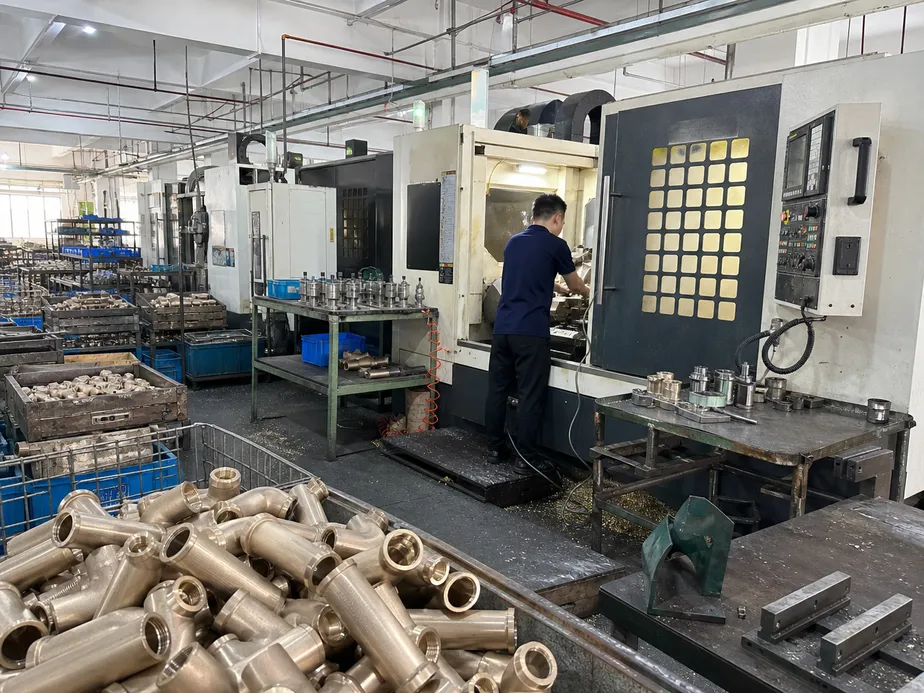
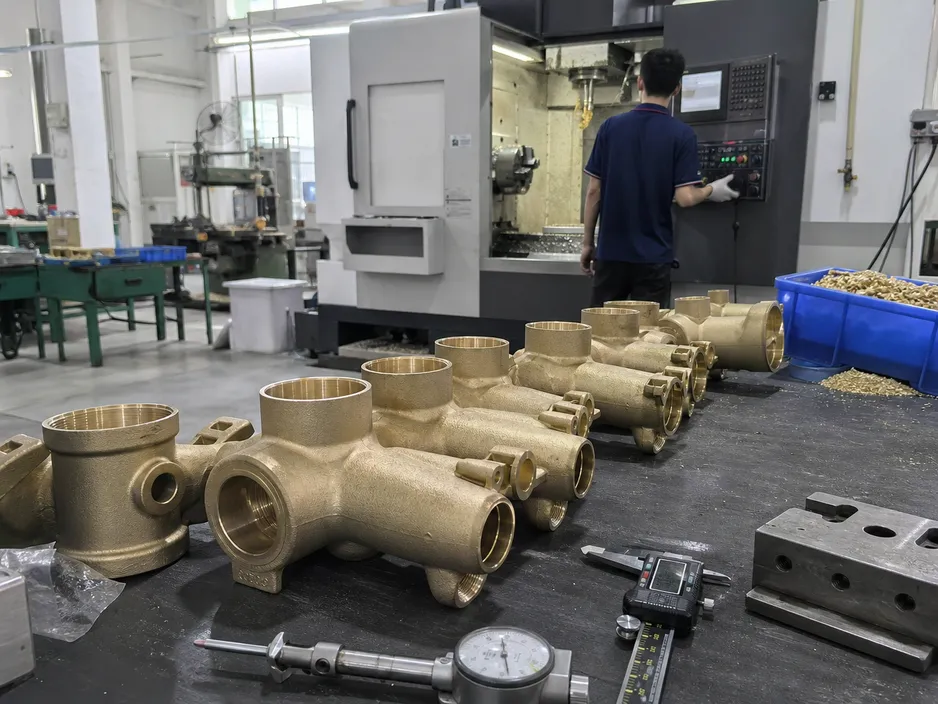
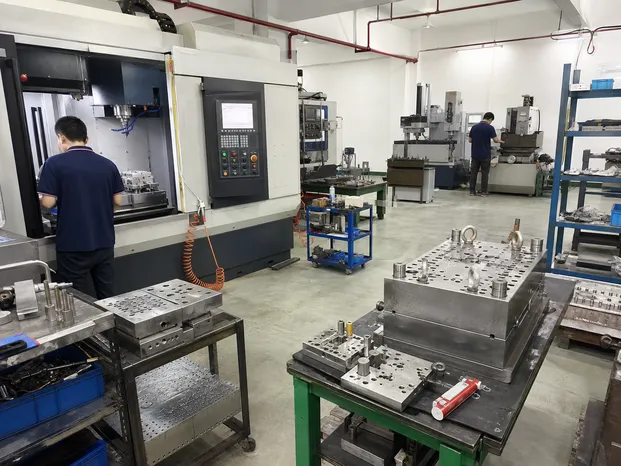
For OEM projects, we cast and machine to your specification. Our brass gravity casting operation handles bodies from compact bathroom faucet profiles up to full-size kitchen pull-down bodies.
CNC machining holds valve seat thread tolerances to ±0.05mm — the spec that determines whether your cartridge seats correctly and whether the faucet drips in the field.
If you have a reference sample, we reverse-engineer the critical dimensions and build a casting die to match. If you have a 2D drawing, we review it for manufacturability before committing to tooling — we'll flag anything that adds cost without adding function.
ODM Scope Note
For ODM projects, body dimensions are fixed to our existing tooling. Handle configuration, spout angle, and deck plate options vary by product family — we'll walk you through the available configurations for the specific product line you're targeting.
Surface Finishes
We run five finishes in-house. "In-house" means one team controls the process from pre-treatment through final inspection — finish consistency across a mixed-SKU order isn't a coordination problem between three subcontractors, it's a scheduling problem on our own floor.
Chrome
Three-layer electroplating stack: copper base, nickel mid-coat, chrome top coat. The nickel mid-coat is the corrosion resistance layer — skipping it is a common cost-cutting move in the industry. Our chrome passes 24-hour salt spray as a minimum, with most batches clearing 48 hours.
Brushed Nickel
Same three-layer electroplating stack as chrome — copper base, nickel mid-coat, brushed top coat. Corrosion resistance is built into the process, not an afterthought. Salt spray performance matches our chrome standard: 24-hour minimum, most batches at 48 hours.
Matte Black
In-house matte black finish with consistent flat tone across production runs. Controlled in-house to eliminate the batch-to-batch color variance that occurs when finishing is subcontracted across multiple vendors.
PVD Gold
PVD gold runs at 0.3–0.5μm coating thickness, adhesion-tested per batch using a cross-cut tape test before parts move to assembly. We brought PVD in-house specifically because subcontracted finishing was generating batch-to-batch color inconsistency — a problem that creates returns and erodes brand positioning in the premium segment.
Oil-Rubbed Bronze
In-house oil-rubbed bronze finish with controlled antiquing process. Consistent depth and tone across production runs — the same in-house quality control that applies to all five finishes.
Custom Finishes
Custom finishes beyond these five are possible on runs over 500 units. Below that threshold, the line changeover and color qualification cost doesn't make commercial sense for either side.
Functional Components
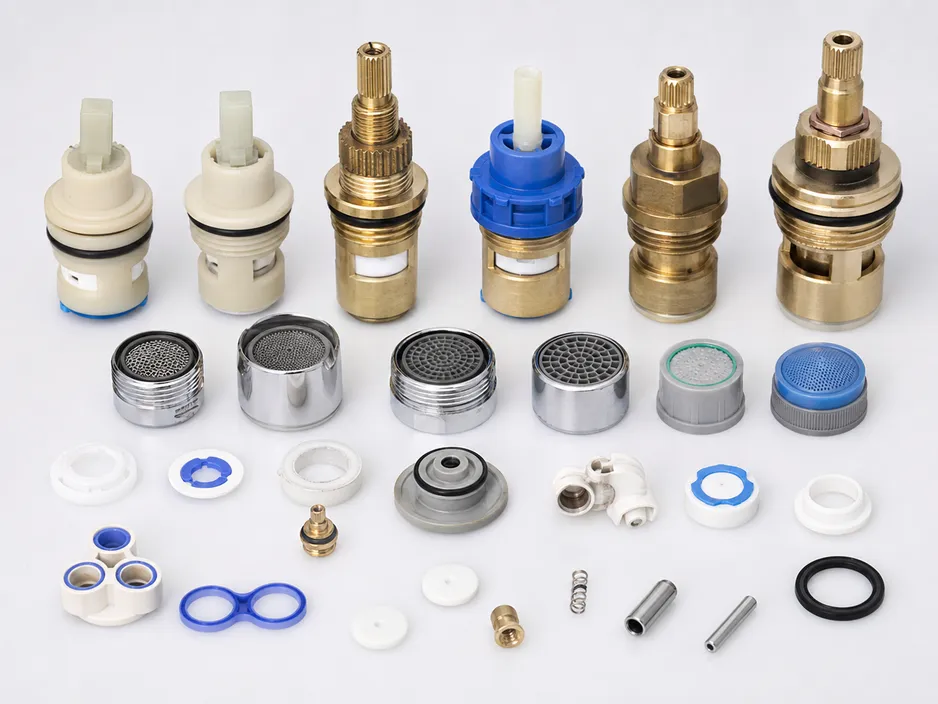
Cartridges, ceramic disc valves, and aerators can be specified to your requirements within the range of components we've qualified. We maintain an approved supplier list for cartridges — any new cartridge supplier goes through a 50,000-cycle pre-qualification test before entering production.
If you have a preferred cartridge brand you want us to build around, we can evaluate compatibility with our body geometry and run the qualification.
Flow rate, handle torque, and spray pattern (for pull-down and pull-out kitchen faucets) are all adjustable within the constraints of the body design.
Market-Specific Flow Rate Configuration
- California: 1.8 GPM water efficiency limit — aerator and flow restrictor configured accordingly
- Australia: WELS rating requirements — configured to your target star rating
- Other markets: specify your target standard and we configure to match
Branding and Packaging
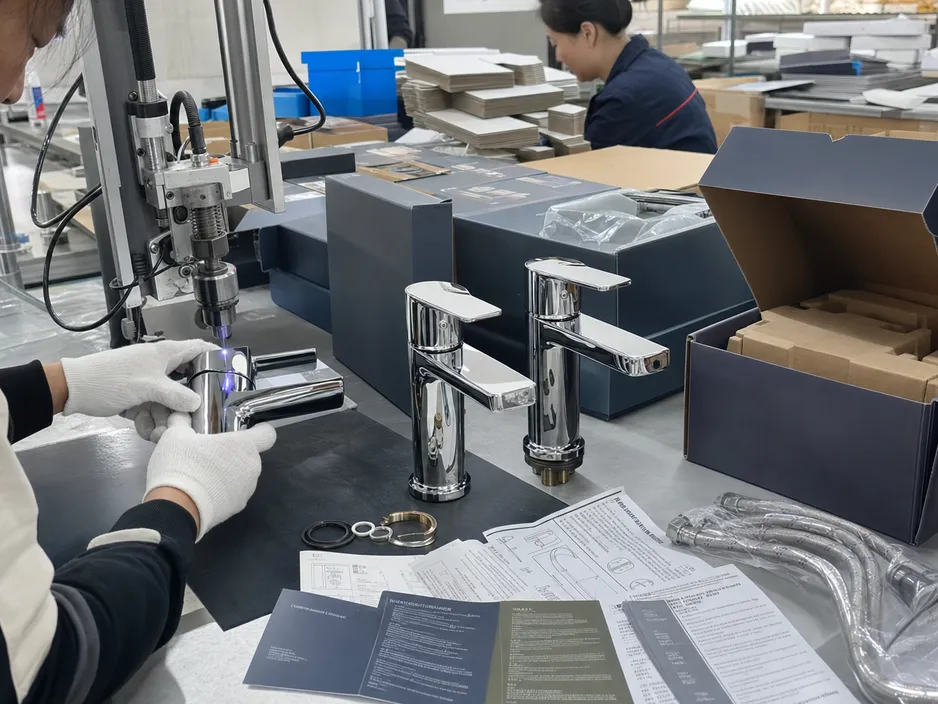
Logo placement on the faucet body is done via laser engraving or physical badge — your choice based on the aesthetic you're targeting. Laser engraving is permanent and flush with the surface; badges allow for a raised, premium look but add a small per-unit cost.
Packaging is fully custom: box dimensions, print artwork, insert configuration, and language variants. We work with your dieline or build one to your spec. If you're shipping to multiple markets with different language requirements, we can run language-specific inserts on the same production order.
Installation instructions, warranty cards, and accessory inserts (escutcheon plates, supply lines, mounting hardware) are all configurable. If your brand standard requires a specific paper stock or print finish on the instruction sheet, we can match it.
Minimum for Custom Packaging
Custom packaging tooling (die-cut setup) is amortized across the order. At 300+ units the per-unit packaging cost is comparable to standard. Below 300 units, we'll quote the tooling as a line item so you can make an informed decision.
Where the Limits Are
Honest scope boundaries save everyone time. Here's what we don't do, and why — so you can factor it into your sourcing decision before you're three weeks into a conversation.
Zinc Alloy (Zamak) Bodies
We cast in brass only. Zinc alloy bodies are a cost-reduction path that introduces long-term corrosion risk — we don't offer it because it creates warranty and brand liability for our customers downstream.
Fully Bespoke Body Geometry Under 500 Units
New casting tooling runs $3,000–$8,000 USD depending on complexity. Below 500 units, that tooling cost makes the per-unit economics unworkable for most buyers. We'll tell you this upfront rather than after you've committed to a design.
Smart / Electronic Faucets
Touchless and sensor-activated faucets are outside our current production scope. Our focus is mechanical faucets — cartridge-based single and dual-handle configurations — where we can control quality end to end.
Stainless Steel Bodies
Stainless steel faucet bodies require a different manufacturing process (investment casting or deep drawing) that we don't run. Brass remains the industry standard for cartridge-based faucets for good reason — machinability, corrosion resistance, and long-term reliability.
Unqualified Third-Party Cartridges
If you want us to build around a cartridge that hasn't gone through our 50,000-cycle qualification, we won't do it. The cartridge is the primary failure point in a faucet — we're not going to ship product we can't stand behind.
Sample-Only Orders Without Production Intent
We produce samples as part of a production qualification process, not as a standalone product. Sample requests without a credible production conversation behind them aren't a good use of either side's time.
The Collaboration Process: From Brief to Container
This is the sequence we run on every OEM and ODM project. Timelines are ranges — actual duration depends on design complexity, tooling requirements, and your approval speed at each stage.
Requirements Discussion
You send us your brief: a reference sample, 2D drawings, a target retail price, or a description of what you're trying to build. We review it and come back with questions — material spec, finish preference, target market certifications, packaging requirements, volume expectations. This stage ends when we have enough information to quote accurately. We don't issue ballpark quotes; we issue quotes we can hold.
Quotation and Tooling Agreement
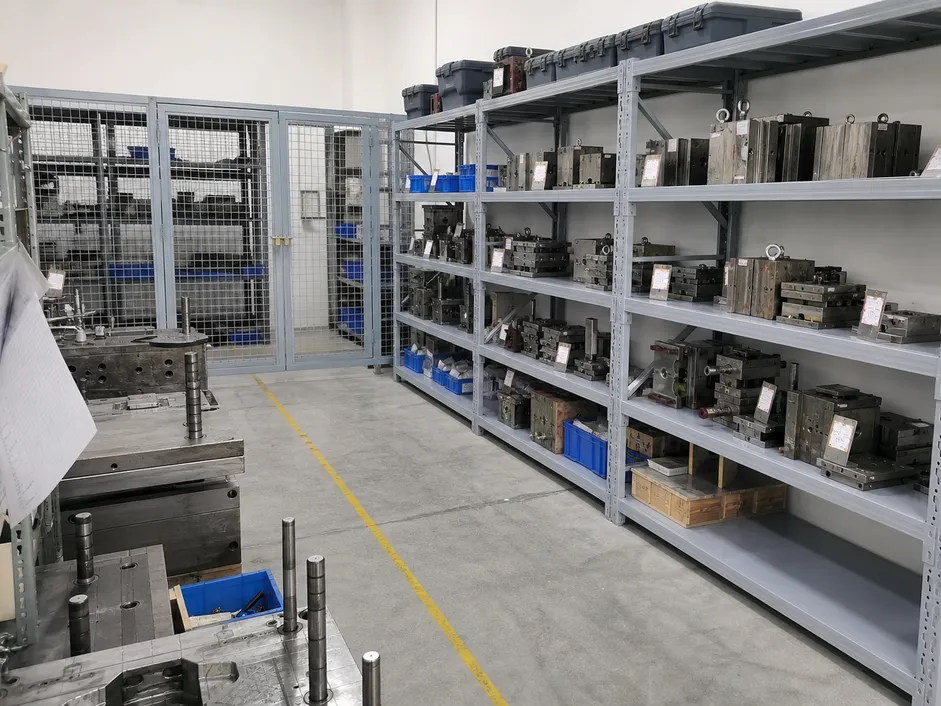
We send a detailed quotation covering unit price at your target volume, tooling cost (for OEM projects), sample cost, and lead time. For ODM projects with no new tooling, this stage is faster — we're quoting against existing tooling and known process costs. Tooling ownership is yours on OEM projects; we hold the molds in our tooling room and don't use them for other buyers.
Sample Development
OEM — Days 10–35
We build the casting die, run the first cast, machine and finish a sample set, and ship for your approval. Our in-house tooling room handles die fabrication — revisions don't go to an outside vendor, which keeps the iteration cycle tight. Most OEM projects require one to two revision rounds before sample approval; complex body geometries occasionally need three.
ODM — Days 10–20
We pull from existing tooling and configure to your spec — sample lead time is shorter because the casting and machining parameters are already established.
Sample Approval and Mass Production Authorization
You review the samples against your spec. We need written approval — email confirmation is sufficient — before we schedule mass production. If the sample requires changes, we revise and re-sample. Once approved, we lock the spec and issue a production order. The approved sample becomes the reference standard for in-process and final inspection.
Mass Production
OEM — Days 35–50
Production runs on the dedicated line for your product family. Your order doesn't share floor time with a different product category.
ODM — Days 25–40
Shorter run because the spec is established and tooling is already qualified.
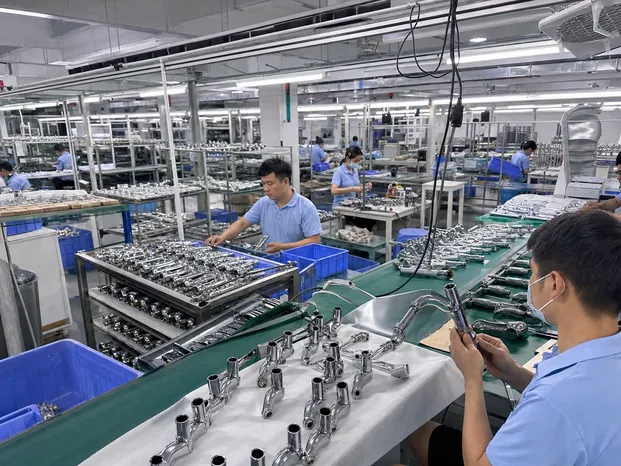
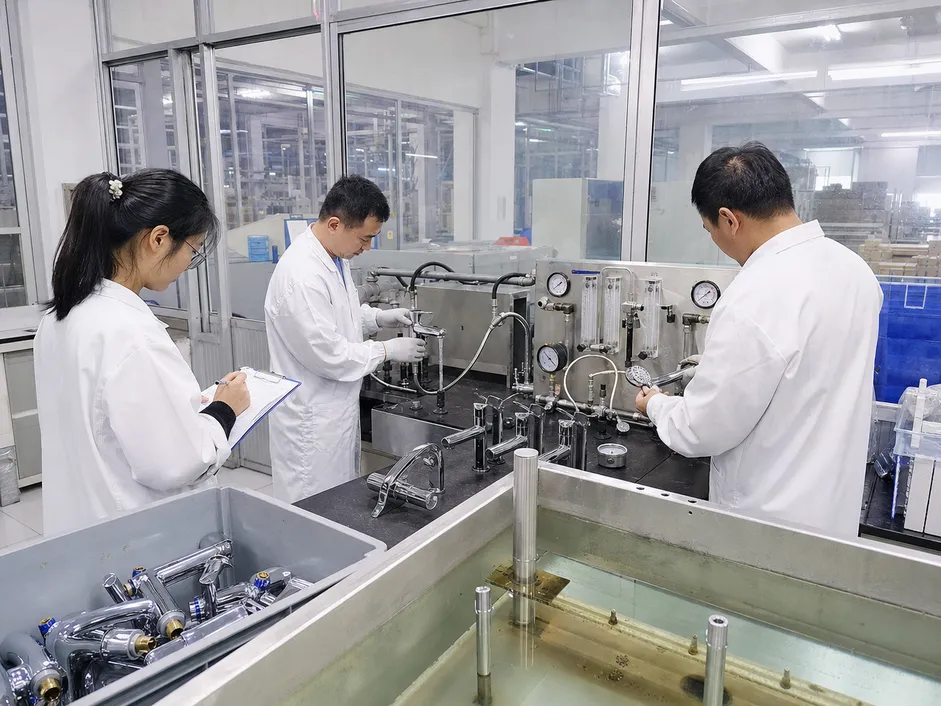
We run in-process inspection at three checkpoints — post-casting dimensional check, post-machining thread gauge verification, post-plating visual and adhesion inspection — and final outgoing inspection covers every unit for handle torque, flow rate, and leak test at 0.6 MPa for 60 seconds. Endurance testing runs 500,000 open/close cycles on cartridge assemblies from every production batch.
Packaging, Documentation, and Shipment
Finished product goes to the packaging line configured to your spec. Documentation is prepared in parallel: commercial invoice, packing list, certificate of origin, and the test reports applicable to your destination market (CE, cUPC, WaterMark, SGS as relevant). For North American shipments, we prepare HS code classification and can provide customs pre-clearance documentation if your broker needs it. Container loading is optimized for your carton dimensions — we provide CBM and gross weight per SKU before you confirm freight so your forwarder can quote accurately.
Timeline at a Glance
Inspection Checkpoints
- 1 Post-casting dimensional check
- 2 Post-machining thread gauge verification
- 3 Post-plating visual and adhesion inspection
- ✓ Final: handle torque, flow rate, leak test at 0.6 MPa / 60 sec
- ✓ Endurance: 500,000 open/close cycles per batch
MOQ, Lead Time, and What Affects Both
Concrete numbers for order planning. Ranges reflect real variables — design complexity, finish selection, volume, and seasonal scheduling — not padding.
Minimum Order Quantities
OEM Custom Orders
200 pcs / SKULow enough to run a market test before committing to a full container. Most buyers doing a first OEM run order 500–1,000 units — enough to validate the product with their customers and generate reorder data before scaling.
ODM Catalog Orders
200 pcs / SKUStandard finishes: 200 pieces per SKU. Custom finishes (beyond our five standard options) require 500 pieces minimum to justify the line changeover.
Custom finish MOQ: 500 pcs minimum. Standard finishes: 200 pcs minimum.
Sample Lead Times
OEM (New Tooling)
25–35 daysWorking-day estimate from design freeze to sample shipment. Assumes your approval at each stage comes within 2–3 business days. Delays in approval extend the timeline proportionally.
ODM (Existing Tooling)
15–20 daysCasting and machining parameters are already established. Shorter cycle because we're configuring, not building from scratch.
Mass Production Lead Times
Measured from written order confirmation to container loading
OEM Orders
35–50 days
From written order confirmation
ODM Orders
25–40 days
From written order confirmation
Factors That Extend Lead Time
- New finish qualification — additional process validation required before production
- New cartridge supplier qualification — incoming inspection and test cycle
- Large volumes requiring sequential production runs across multiple batches
- Peak season scheduling — Q3 is our busiest period. Orders confirmed in July and August typically run at the longer end of the range.
Reorder Lead Time
20–30 days
For established OEM programs with locked specs and approved tooling.
The spec is frozen, the tooling is in the room, and the production parameters are documented — we're scheduling, not re-engineering.
200
Pieces
OEM & ODM minimum order per SKU (standard finishes)
500
Pieces
ODM minimum for custom finishes beyond the five standard options
35–50
Days
OEM mass production from written order confirmation to container loading
20–30
Days
Reorder lead time for established programs with locked specs and approved tooling
Intellectual Property: Your Design Stays Yours
IP protection is a legitimate concern in OEM manufacturing, and we handle it directly rather than burying it in contract language.
NDA Before Any Design Review
We sign NDAs before any design review. If you send us drawings, reference samples, or proprietary specifications, those stay within our engineering team and don't circulate to other buyers or suppliers. We've had buyers ask us to sign their own NDA templates — we review and sign them; we don't require you to use ours.
Tooling Ownership Is Yours
Tooling ownership on OEM projects is yours. We hold the molds in our tooling room and maintain them at our cost during the active production relationship. If you decide to move production elsewhere, the tooling transfers with you — we don't hold molds hostage.
We've had this conversation with buyers who've been burned by other factories. The answer is the same every time: your tooling, your call.
Your Design Is Not Shared With Other Buyers
We don't produce your OEM design for other buyers. The approved sample and production spec are filed under your account and aren't shared or adapted for other projects. For buyers who want this formalized beyond the NDA, we include a tooling exclusivity clause in the production agreement.
Secure File Storage
Design files — CAD drawings, 2D specs, finish references — are stored on our internal server with access limited to the engineering team assigned to your project. We don't use cloud-sharing platforms for client design files.
What's Covered Under Your IP Agreement
-
NDA signed before design review
We sign before you share anything — drawings, samples, or specs.
-
Buyer NDA templates accepted
We review and sign your template. You're not required to use ours.
-
Tooling ownership stays with buyer
Molds transfer with you if you move production. No holdbacks.
-
Tooling exclusivity clause available
Included in the production agreement for buyers who want it formalized beyond the NDA.
-
Design files on internal server only
CAD, 2D specs, and finish references — no cloud-sharing platforms used.
Certifications Your OEM Product Can Carry
The certifications your product ships with determine which markets it can enter without compliance delays. We hold the following, and they extend to OEM and ODM products produced on our lines.
| Certification | Market | What It Covers |
|---|---|---|
| ISO 9001:2015 | Global | Quality management system — the baseline for most B2B procurement requirements |
| CE | European Union | Product safety and performance conformity for the EU market |
| cUPC | North America (US & Canada) | Plumbing code compliance — required for most US and Canadian retail and project channels |
| WaterMark | Australia | Australian standards compliance for plumbing products |
| SGS | Global | Third-party audit and testing — available as supporting documentation for buyer QC requirements |
How Certification Coverage Works for OEM Products
For OEM products, certification coverage depends on whether your design uses a certified body configuration.
Building on an existing certified body
If you're adding a new finish or handle configuration to a certified body, we manage the documentation update with the certification body — you don't run a full re-certification from scratch.
Introducing a new body geometry
If your OEM design introduces a new body geometry, we advise on the certification path and timeline before you commit to tooling.
North American Market: cUPC Lead-Free Requirement
What buyers entering the US and Canadian market need to know
cUPC compliance requires lead-free brass (≤0.25% lead content) throughout the wetted components.
Our standard brass alloy meets this requirement, and we test every incoming batch by XRF analysis.
Your cUPC-compliant product ships with the test documentation your customs broker and retail buyer will ask for.
Certification Badges Your OEM Product Can Carry
Market Segments Where OEM Faucet Programs Generate Margin
Your OEM program's commercial logic depends on which channel you're selling into. Here's where our buyers are building profitable positions.
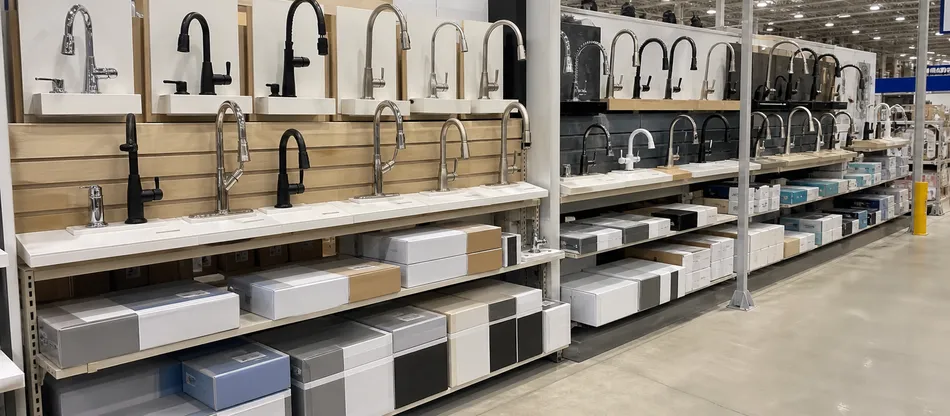
Retail Distribution
Hardware Chains & Home Improvement
Private label faucets in the mid-price tier ($40–$120 retail) are the volume engine for most distributors. The margin comes from brand ownership — you're not competing on price against identical SKUs from other importers. OEM gives you a product your retail buyer can't find elsewhere, which protects your shelf position.
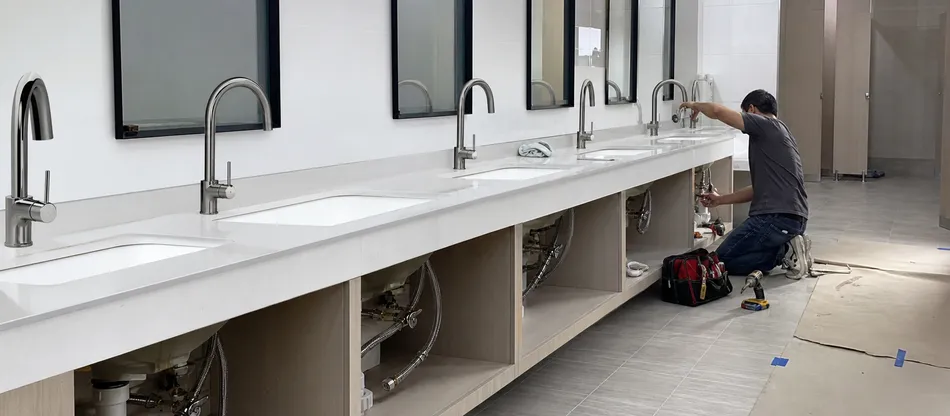
Contract & Project Supply
Hospitality, Multi-Family & Commercial Fit-Out
Hospitality, multi-family residential, and commercial fit-out projects specify faucets by model number. An OEM program lets you lock in a specification with a developer or contractor and supply it across multiple projects without the spec being shopped to competitors. cUPC and CE certification are typically required at the project specification stage — having them on your OEM product removes a common disqualification.
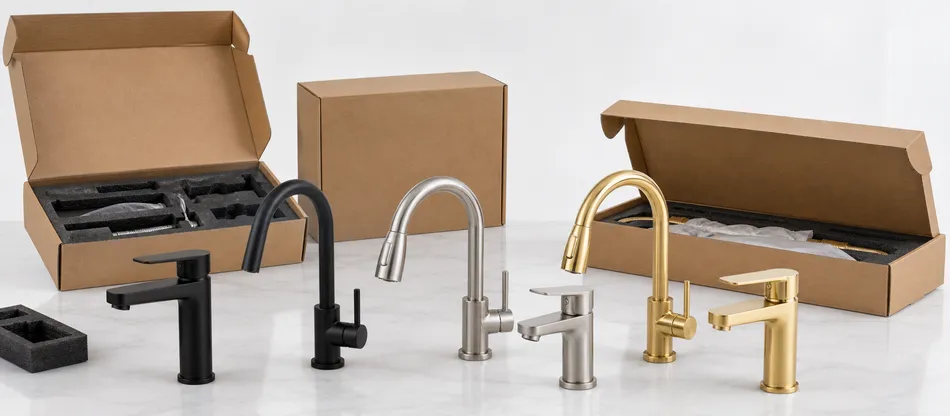
E-Commerce & DTC Brands
Online Faucet Brands & Direct-to-Consumer
Online faucet brands need product differentiation to avoid pure price competition. ODM programs with custom finishes (matte black, PVD gold) and private label packaging give you a catalog that photographs distinctively and carries your brand story. The 200-piece MOQ means you can test a new SKU without a full container commitment.
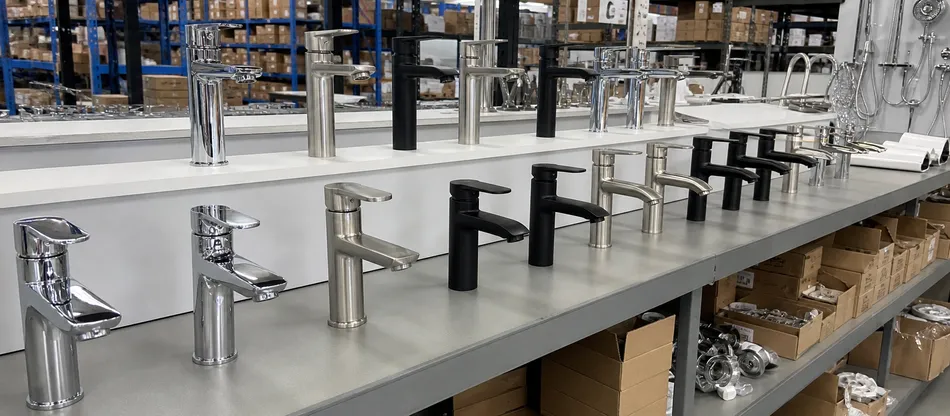
Plumbing Wholesale & Trade Supply
Trade Buyers & Plumbing Wholesale
Trade buyers want consistent product across reorders — same dimensions, same cartridge, same finish, same documentation. An established OEM program with locked specs delivers exactly that. Your plumber customers stop calling about compatibility issues because the product doesn't change between orders.
OEM/ODM Faucet FAQ
Straight answers to the questions buyers ask before committing to an OEM or ODM program.
What is the minimum order quantity for a custom OEM faucet?
200 pieces per SKU for standard OEM orders. This covers the production economics for a dedicated run without requiring a full container commitment. Most first-time OEM buyers order 500–1,000 units to have enough inventory to test the market and generate reorder data. If your volume is below 200 units, an ODM program from our existing catalog is the more practical path — same private label, no tooling cost, lower MOQ risk.
How long does it take from design brief to first sample?
For OEM projects with new tooling: 25–35 days from design freeze to sample shipment. For ODM projects using existing tooling: 15–20 days.
The main variable is tooling complexity — a simple handle or spout variant runs at the short end; a new body geometry with multiple machined interfaces runs at the long end. We give you a specific estimate after reviewing your brief, not a range pulled from a brochure.
What file formats do you need for custom designs?
2D drawings in DWG or PDF, with critical dimensions and tolerances called out. If you have a 3D model, STEP or IGES format works with our CAD system.
If you're working from a reference sample rather than drawings, ship us the sample — we'll measure and document the critical dimensions before starting tooling. We've built accurate tooling from reference samples many times; it's a normal starting point for buyers who don't have an in-house design team.
Can you match a finish from a competitor's product?
For our five standard finishes (chrome, brushed nickel, matte black, PVD gold, oil-rubbed bronze), we can match to a reference sample or a standard color specification.
For custom finishes outside these five, we can develop a match on runs over 500 units — the development process involves a finish trial and your approval before production. Color matching to a specific competitor's product is possible but requires a physical reference sample, not a photo.
Do you sign NDAs, and who owns the tooling?
Yes on both. We sign NDAs before any design review — yours or ours. Tooling on OEM projects is owned by you; we hold it in our tooling room and maintain it during the active production relationship.
If you move production, the tooling moves with you. We include a tooling exclusivity clause in the production agreement for buyers who want it formalized beyond the NDA.
Which certifications apply to OEM products made on your lines?
CE, cUPC, WaterMark, and SGS coverage extends to OEM and ODM products built on certified body configurations. If your OEM design uses an existing certified body with a new finish or handle variant, we handle the documentation update — no full re-certification required.
New body geometries require a certification assessment before tooling commitment; we advise on the path and timeline upfront so it's factored into your project plan.
Have a question not covered here?
Our OEM team responds to technical and commercial inquiries within one business day. Send your brief or ask your question directly.
Start Your OEM or ODM
Faucet Project
Send us your brief — a reference sample, a drawing, a target retail price, or a description of the product you're trying to build. Our engineering team reviews every inquiry and comes back with a specific response: what we can do, what the tooling cost looks like, and what the timeline is. We don't send generic capability decks.
If you're not sure whether OEM or ODM is the right model for your situation, tell us your target market, volume expectations, and timeline — we'll recommend the path that makes commercial sense for where you are in your product development cycle.
Submit a Project Brief via RFQ FormInclude your target SKUs, volume, destination market, and any certification requirements — we'll respond with a detailed quote.
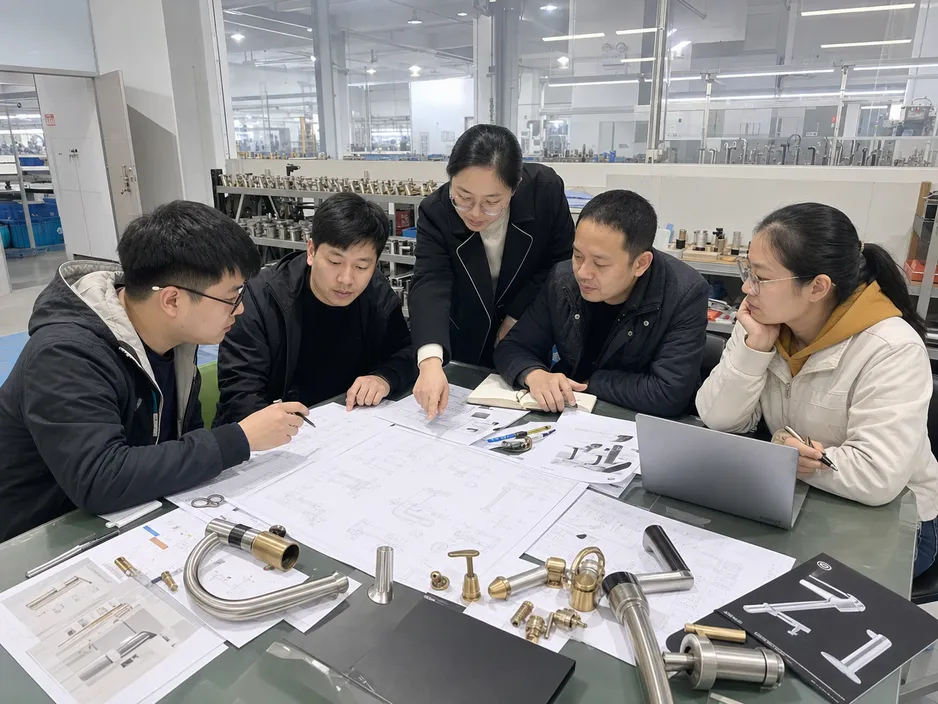
What to Include in Your Brief
- Reference sample, drawing, or product description
- Target retail price or landed cost target
- Target SKUs and estimated order volume
- Destination market and distribution channel
- Certification requirements (CE, cUPC, WaterMark, etc.)
- Target market, volume expectations, and timeline
Explore Wfaucet Product Families