
Potable Water Dispensing

Beverage Faucets Built for Compliance

Brass beverage faucets built for filtered water and RO systems — certified for North America, Europe, and Australia. Dedicated spout geometry, lead-compliant brass, and full-run endurance testing on every batch. The documentation your compliance team needs ships with the container.

cUPC CE WaterMark OEM from 200 pcs Ships to 5 continents
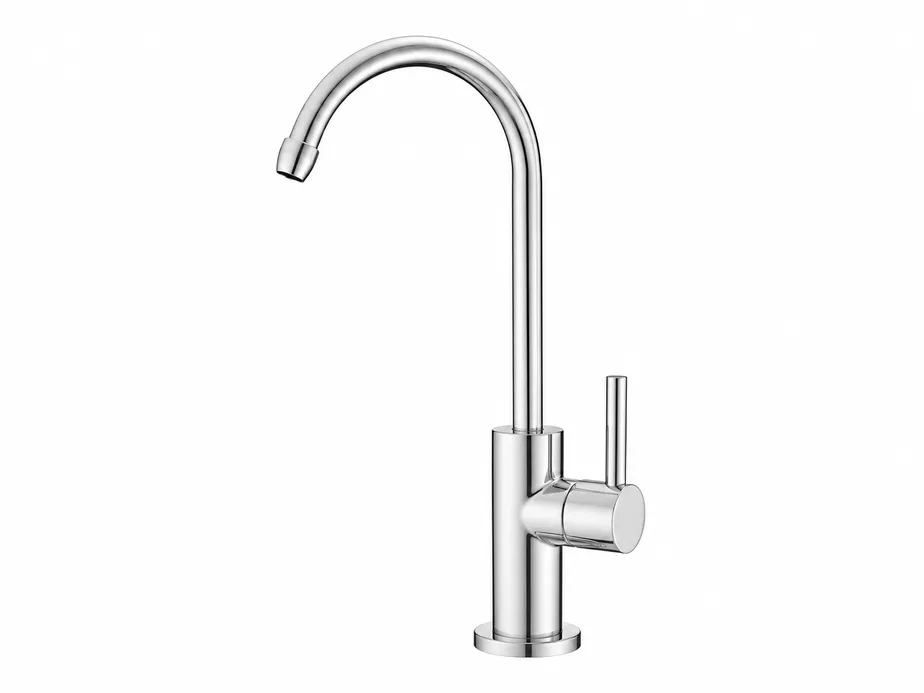
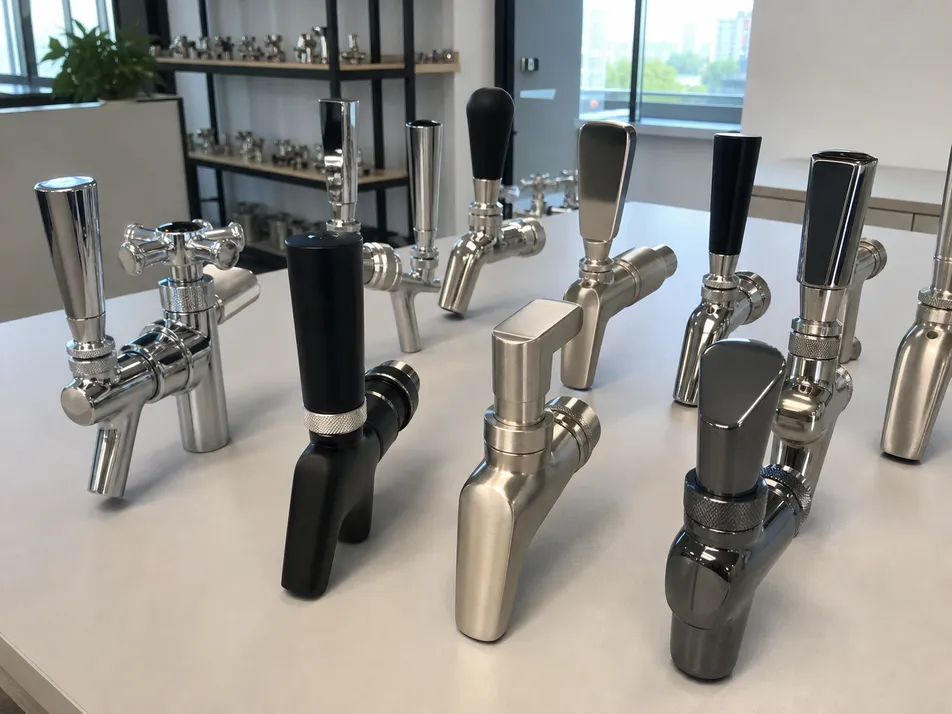
Brass beverage faucet for filtered water and RO systems — cUPC, CE, WaterMark certified

Category Definition

What a Beverage Faucet Is — and Why the Distinction Matters for Your Sourcing

A beverage faucet is a dedicated dispensing faucet designed to pair with under-sink filtration systems, reverse osmosis units, and countertop water treatment setups. The body is typically slimmer than a standard kitchen faucet, the spout is angled for direct glass-filling, and — critically — every wetted component must meet lead-free and material safety standards for potable water contact.

That last point is where sourcing decisions get complicated. A standard kitchen faucet and a beverage faucet can look nearly identical on a product photo, but they are not interchangeable in a compliant installation. The brass alloy, the internal surface treatment, the cartridge material, and the certification pathway are all different.

We've had buyers come to us after sourcing a "drinking water faucet" from a general hardware supplier and discovering it didn't clear NSF/ANSI 61 material requirements for their North American accounts. The re-sourcing cost — new samples, new compliance testing, delayed container — is the kind of problem that eats a quarter's margin.

What Sets a Compliant Beverage Faucet Apart

  • Low-lead brass alloy — ≤0.25% lead content by weight, consistent with NSF/ANSI 61 and California AB 1953 requirements
  • Electropolished internal passages — reduces surface roughness and bacterial adhesion risk
  • Ceramic disc cartridge — rated for 500,000 open/close cycles
  • Multi-market certification — cUPC (North America), CE (Europe), WaterMark (Australia) from one factory, one documentation package

Our beverage faucets are built from the ground up for potable water contact. If your distribution footprint spans more than one of those markets, you're not managing three separate supplier relationships — one factory, one documentation package.

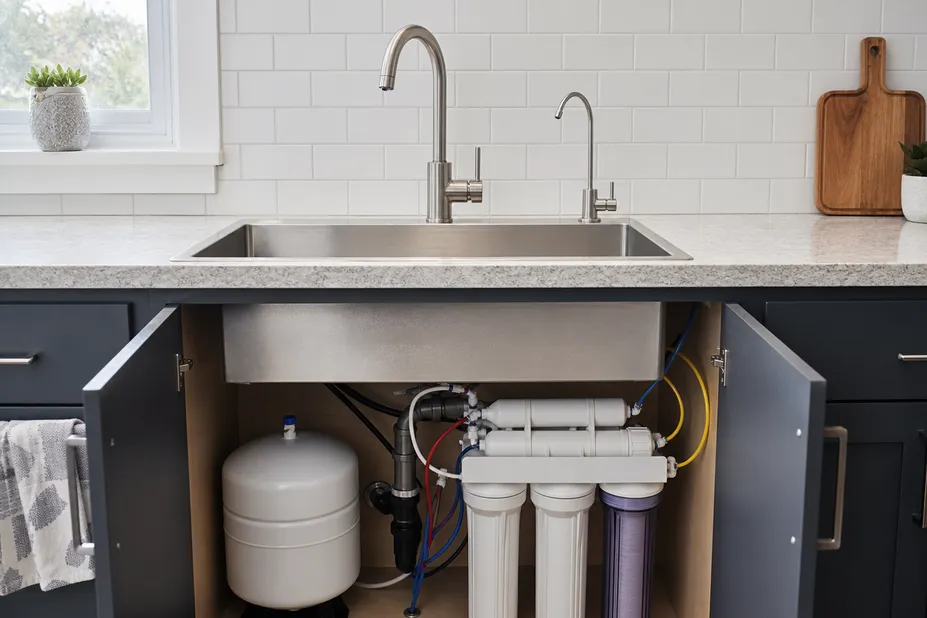
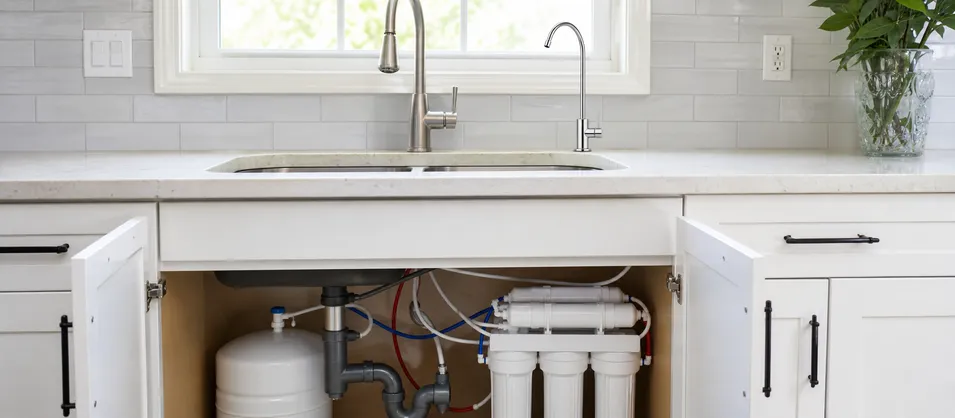
Beverage faucet installed with under-sink RO filtration system

Beverage Faucet vs. Standard Kitchen Faucet

Why they are not interchangeable in a compliant installation

Attribute Beverage Faucet Standard Kitchen
Brass alloy Low-lead ≤0.25% Varies
NSF/ANSI 61 Required Not required
Internal finish Electropolished Standard
Spout geometry Glass-fill angle General use
Certification path Potable water General plumbing

Engineering Data

Technical Specifications

Beverage faucets are a precision product — the tolerances on the valve seat, the surface finish on the spout interior, and the alloy composition all affect compliance and field performance. The table below reflects industry-standard parameters for this product type. Contact us for exact data sheets on specific SKUs.

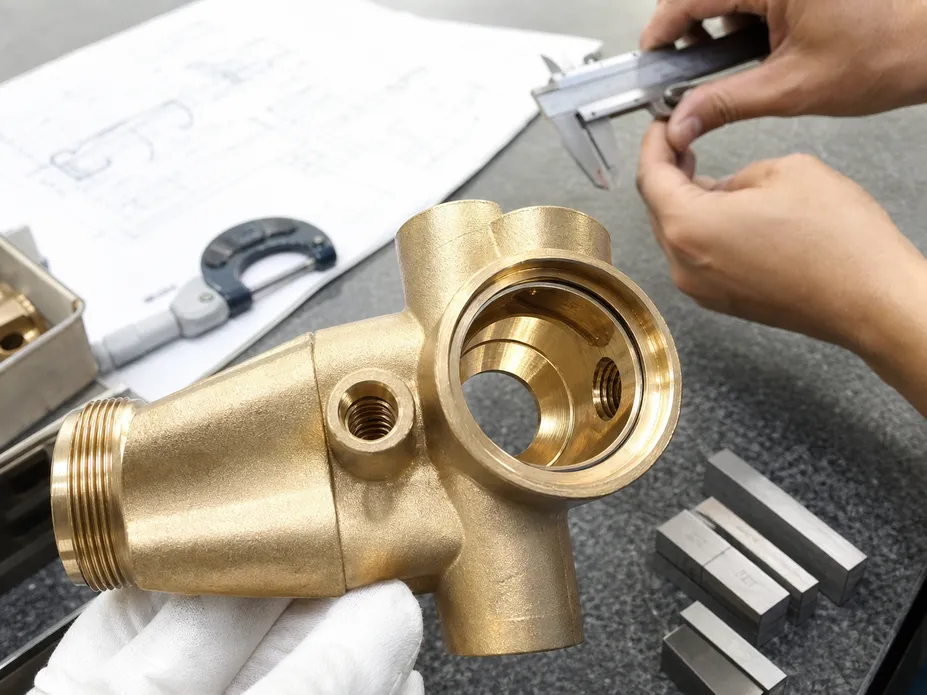
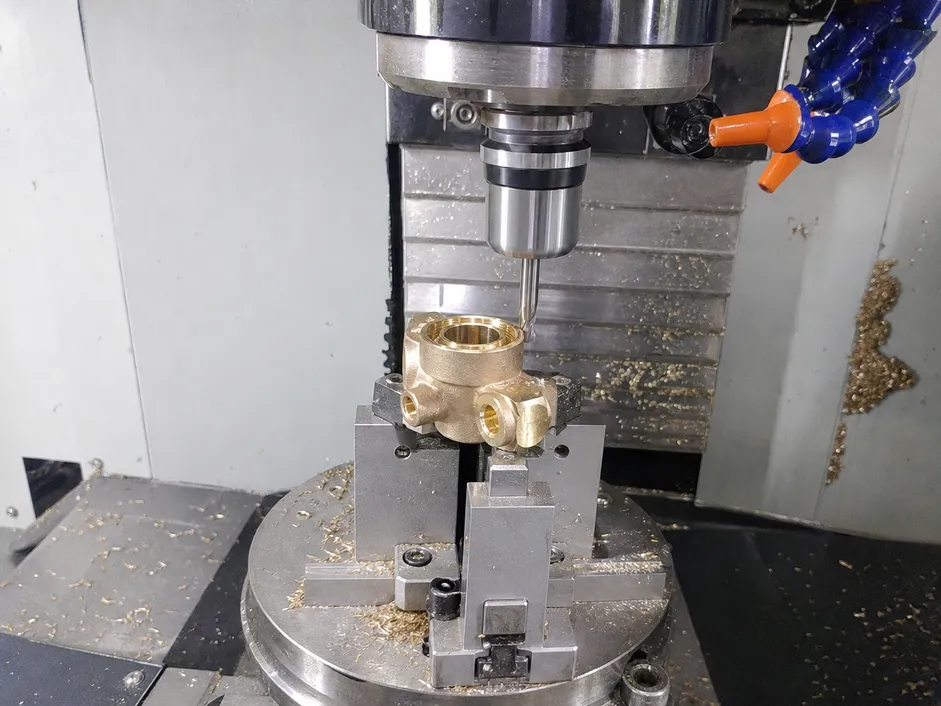
CNC-machined brass beverage faucet body showing valve seat tolerance and electropolished internal passages

Valve Seat Tolerance

±0.05mm

CNC machined

Working Pressure

0.05–0.8 MPa

7–116 PSI

Flow Rate

0.5–1.0 GPM

At 60 PSI, adjustable

Deck Hole

1-3/8"

Standard 35mm

Full Specification Table

Industry-standard values for this product type. Actual specs vary by SKU.

Body material Low-lead brass (C36000-equivalent, ≤0.25% Pb)
Spout type Single-hole, deck-mount; straight or gooseneck profile
Handle configuration Single lever or cross handle
Inlet connection Standard 3/8" compression fitting (1/4" available for RO systems)
Flow rate 0.5–1.0 GPM at 60 PSI (adjustable via aerator)
Working pressure 0.05–0.8 MPa (7–116 PSI)
Working temperature Cold water only (standard); hot/cold available on select models
Cartridge type Ceramic disc, 500,000-cycle rated
Valve seat tolerance ±0.05mm (CNC machined)
Internal surface Electropolished brass passages
Finish options Chrome, brushed nickel, matte black, PVD gold, oil-rubbed bronze
Certifications cUPC CE WaterMark SGS
Lead content ≤0.25% by weight (NSF/ANSI 61 / AB 1953 compliant)
Spout height (typical) 8–12 inches (custom heights available)
Deck hole requirement Standard 1-3/8" (35mm)

Specifications shown are industry-standard values for this product type. Actual specifications may vary by SKU. Contact us for detailed product data sheets and CAD drawings.

Need exact data for your SKU?

Request a spec sheet, CAD drawing, or physical sample for your target configuration.

Request Spec Sheet
Compliance

Lead Compliance and Material Safety: What Your Markets Actually Require

This is the section most beverage faucet product pages skip, and it's the one your compliance team will ask about first.

The lead content requirements for potable water faucets vary by market, and the thresholds have tightened significantly over the past decade. In the US, the Reduction of Lead in Drinking Water Act (effective 2014) and California's AB 1953 set the "lead-free" threshold at ≤0.25% weighted average lead content across all wetted surfaces — not just the brass body, but the solder, flux, and any other wetted component. Our cUPC certification covers this pathway. The test reports travel with every shipment, so your customs broker and your downstream accounts have the documentation without having to request it separately.

For buyers selling into markets with NSF/ANSI 61 requirements — which increasingly includes commercial and institutional accounts in the US — we can provide SGS test reports confirming material compliance. If your accounts require NSF/ANSI 61 certification on the product itself (rather than material compliance documentation), discuss this with us at the inquiry stage; the certification pathway and timeline differ from cUPC.

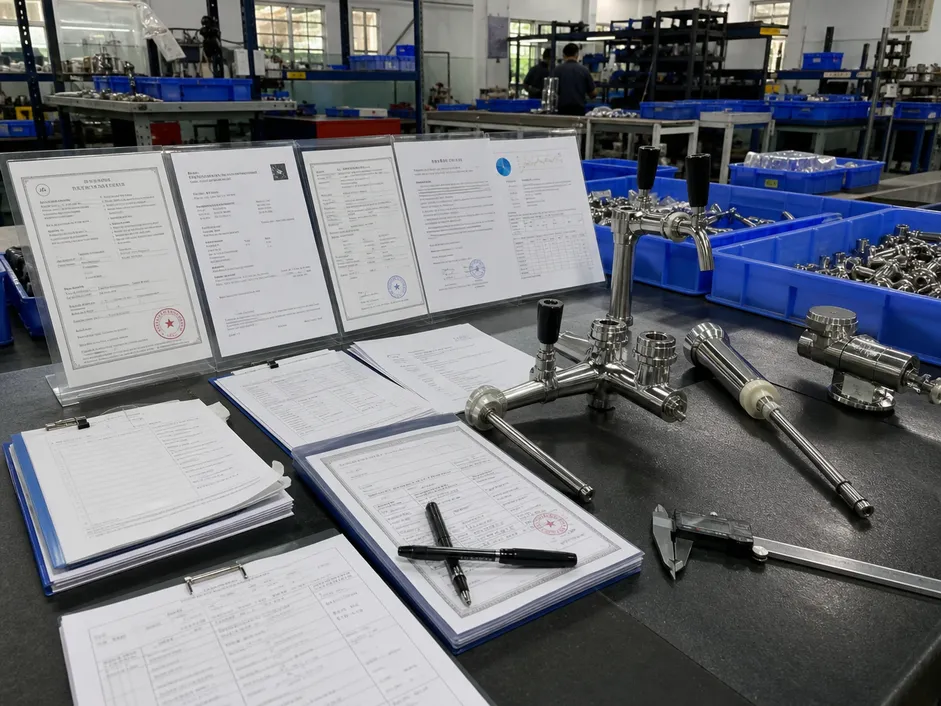
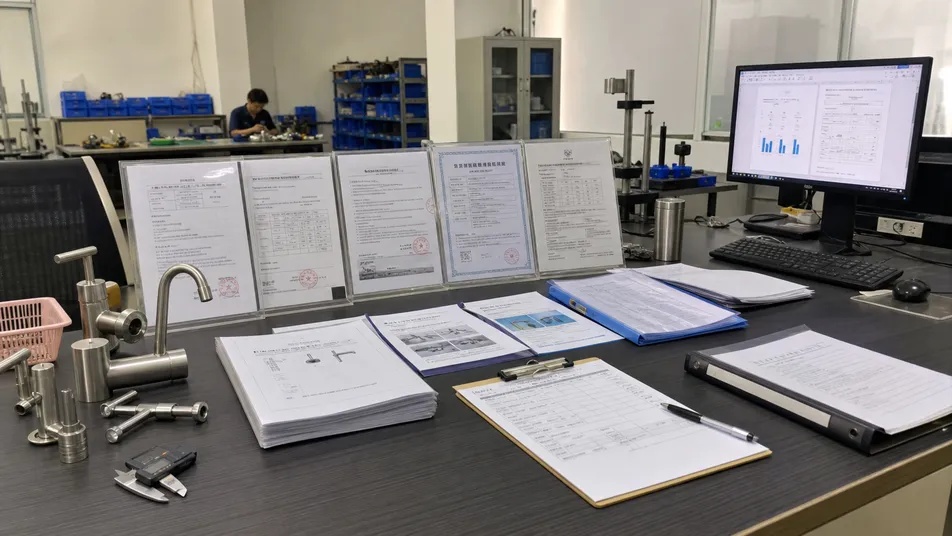
Beverage faucet compliance documentation and certification test reports

US Market — cUPC

Reduction of Lead in Drinking Water Act + California AB 1953. Lead-free threshold: ≤0.25% weighted average across all wetted surfaces — body, solder, flux, and all wetted components.

Test reports ship with every order

Europe — CE / EN 15664-1

EN 15664-1 migration testing for metallic materials in contact with drinking water. CE marking covers the general product safety directive for European market entry.

CE certified

Australia — WaterMark

WaterMark certification under AS/NZS 4020 covers material safety for products in contact with drinking water. Added in 2018 when existing distributors expanded into the Australian market.

Supplier qualification current

WaterMark: Why We Added It

We added WaterMark in 2018 specifically because several of our existing distributors were expanding into the Australian market and needed a single-source supplier who could cover both their North American and Australian SKUs. The certification process required us to revalidate our brass alloy supplier against AS/NZS 4020 migration limits — which we did, and the alloy passed. We've kept that supplier qualification current since.

Certifications Held

3

cUPC · CE · WaterMark

NSF/ANSI 61

SGS

Material compliance reports available

Documentation

Test reports travel with every shipment — no separate request needed by customs broker or downstream accounts.

Manufacturing

Brass Body Construction and Why Alloy Selection Is Not a Commodity Decision

The brass body is where beverage faucet quality is made or lost, and it's where the sourcing decision is most opaque from the outside.

CNC machining of brass beverage faucet body showing valve seat precision

Two faucets can look identical, carry the same finish, and have the same external dimensions — but if one uses a standard C36000 brass and the other uses a lower-grade zinc-heavy alloy, the difference shows up in corrosion performance, lead migration, and long-term valve seat integrity.

We run brass gravity casting as our primary body-forming process, using C36000-equivalent free-machining brass with controlled lead content. The alloy is sourced from a qualified supplier we've been working with since 2013 — the same year we went through cUPC qualification and had to tighten our incoming material controls significantly.

Every incoming brass batch is tested by XRF analysis for lead content before it enters production. This isn't a spot-check; it's every batch, because the cUPC process requires traceability and we apply that standard to all production regardless of destination market.

Alloy: C36000-Equivalent

Free-machining brass with controlled lead content. Sourced from a qualified supplier since 2013. Every incoming batch tested by XRF analysis before entering production — not a spot-check.

CNC Valve Seat: ±0.05mm

After casting, bodies move to CNC machining where valve seat interfaces are held to ±0.05mm tolerance. A loose valve seat is the most common source of drip failure — drip failures generate warranty claims.

Electropolishing: Ra 0.4–0.8μm

Internal passages go through electropolishing — reducing surface roughness from Ra 1.6–3.2μm down to Ra 0.4–0.8μm. Reduces bacterial adhesion risk and makes the faucet easier to clean in service.

500,000-Cycle Endurance Test

Every production run goes through our standard 500,000-cycle endurance test on the cartridge assembly before the batch ships. Not just new product introductions — every run. Test report is standard shipment documentation.

Alloy Comparison: What the Sourcing Decision Actually Affects

Factor C36000-Equivalent Zinc-Heavy Alloy
Corrosion performance Controlled Variable
Lead migration risk Tested per batch Spot-check only
Valve seat integrity ±0.05mm CNC Casting tolerance
Drip failure rate Low Higher
cUPC traceability Every batch Not applicable

Why Electropolishing Is Skipped — and Why We Don't

Most beverage faucet manufacturers skip electropolishing because it adds cost and isn't visible from the outside. We include it because the buyers who specify it — particularly those supplying commercial food service and healthcare accounts — won't accept a faucet without it.

Before

Ra 1.6–3.2μm

Standard cast surface

After

Ra 0.4–0.8μm

Post-electropolish

Production Run Testing — Every Batch

The 500,000-cycle endurance test runs on every production batch before shipment. The test report is part of the standard shipment documentation package — not an optional add-on or a document you need to request separately.

Test report included in standard shipment documentation for every order.

The Supplier Relationship Behind the Alloy

Our brass alloy supplier has been qualified since 2013 — the same year we went through cUPC qualification and tightened our incoming material controls. The WaterMark certification process in 2018 required us to revalidate that supplier against AS/NZS 4020 migration limits. The alloy passed. We've kept that supplier qualification current since, which means the same traceability standard applies to every production run regardless of destination market.

Supplier Qualified Since

2013

cUPC qualification year

XRF Testing

Every Batch

Not a spot-check

Surface Engineering

Finish Options and Surface Durability for Potable Water Applications

Beverage faucets sit on kitchen countertops and get handled multiple times a day. The finish needs to hold up to cleaning agents, water mineral deposits, and physical contact — and it needs to hold up without leaching anything into the water stream.

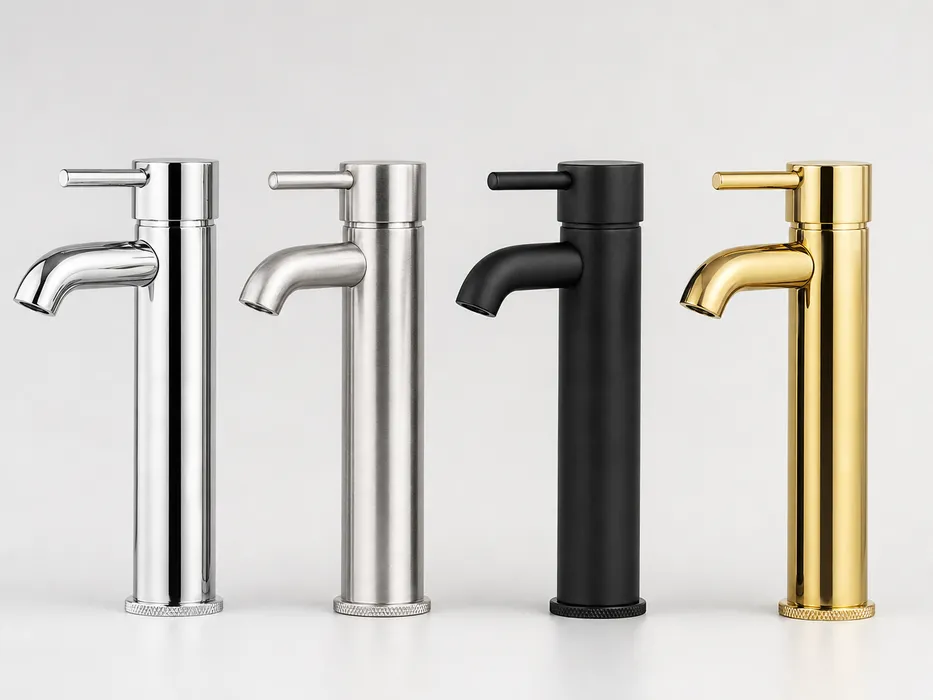
We run five finishes in-house: chrome, brushed nickel, matte black, PVD gold, and oil-rubbed bronze. For beverage faucets specifically, the finish selection has a compliance dimension that doesn't apply to decorative faucets: the finish must not contribute to lead or heavy metal migration into the water stream.

Chrome & Brushed Nickel

These finishes use a copper/nickel/chrome electroplating stack. The nickel mid-coat provides corrosion resistance, and the chrome or brushed top coat is applied over a fully sealed nickel layer — so there is no direct contact between the plating chemistry and the water passage.

24-hr salt spray minimum Most batches clear 48 hr cUPC compatible

PVD Finishes — Gold & Matte Black (PVD Variant)

Physical vapor deposition — no wet chemistry in the coating process. Coating thickness runs 0.3–0.5μm with cross-cut adhesion testing on every batch. No direct chemical contact with the water passage.

200+ hr salt spray 0.3–0.5μm coating Batch adhesion tested
Beverage faucet finish options — chrome, brushed nickel, PVD matte black, and PVD gold side by side

Coastal and Humid Climate Markets

For buyers supplying Southeast Asia, the Gulf, or coastal Australia — the PVD finishes are the lower-warranty-risk option. Chrome and brushed nickel pass 24–48 hour salt spray; PVD passes 200+ hours. The gap is meaningful in high-humidity environments.

48 hr

Chrome / Brushed Nickel

200+ hr

PVD Finishes

Matte Black: PVD vs. Paint

Matte black is the finish with the most growth over the past three years, particularly for buyers supplying the North American residential renovation market. The demand is real — but the finish type matters significantly for downstream customer satisfaction.

Painted Matte Black

Chips at the base of the spout after 12–18 months of use. Your downstream customers will notice — and the complaints come back to you. Lower upfront cost, but higher warranty and return exposure over the product lifecycle.

PVD Matte Black

Holds at the 18-month mark where painted finishes fail. If you're building a matte black SKU into your catalog, specify PVD. The durability difference is visible to end users and reduces downstream warranty exposure for your distribution partners.

Market Intelligence

Application Segments: Where Beverage Faucets Move at Volume

Understanding where beverage faucets sell helps you build the right SKU mix for your market. These are the segments our existing distributors are active in.

Beverage faucet bundled with residential under-sink RO filtration system

Residential RO and Filtration System Bundles

Largest Volume

The largest volume segment. Water treatment system manufacturers and distributors bundle a beverage faucet with every under-sink RO or filtration unit they sell. The faucet is a required component, not an optional add-on — which means the reorder cycle tracks directly with system sales.

Chrome or brushed nickel at a price point that doesn't inflate the bundle cost

cUPC certification required for North American accounts

Standard gooseneck profile, 3/8" compression inlet, cold-water-only configuration

Order volumes: 500–5,000 units per SKU per order for mid-size distributors

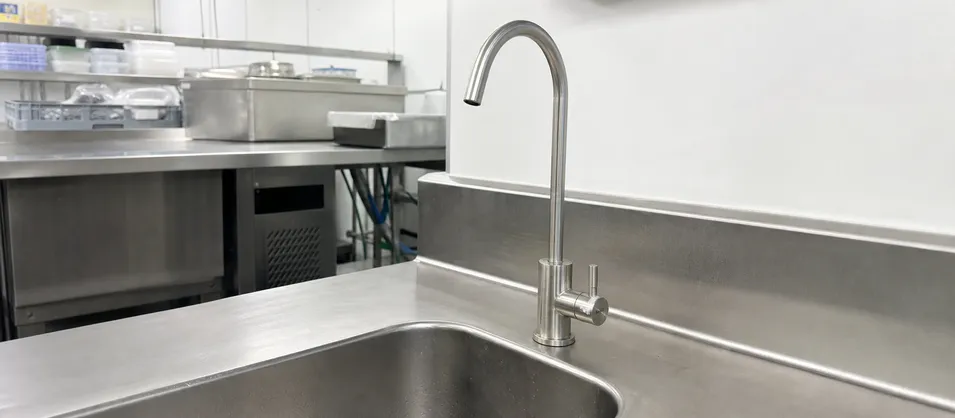
Beverage faucet installed at commercial kitchen prep station for filtered water dispensing

Commercial Food Service and Hospitality

Higher Margin

Restaurants, hotels, and commercial kitchens installing filtered water dispensing points at prep stations or bar counters. This segment specifies more heavily — and the margin is higher because the buyer is selling on specification compliance, not price.

NSF/ANSI 61 material documentation required

Commercial-grade ceramic disc cartridges specified

Finish matched to kitchen equipment aesthetic

Order volumes: 50–500 units per project; electropolished interior and full compliance documentation earn their keep here

Plumbing Wholesale and Distribution

Plumbing wholesalers carry beverage faucets as a catalog item alongside their filter and RO system inventory. The SKU mix typically covers 2–4 finishes in a standard gooseneck profile. Reorder frequency is quarterly to semi-annual.

Typical SKU Mix

Chrome Brushed Nickel Matte Black Oil-Rubbed Bronze

Consistent finish quality across reorders is the primary sourcing criterion

Reliable lead times and documentation that clears compliance requirements without back-and-forth

OEM for Water Treatment Brands

Water treatment brands — from regional filter companies to global RO system manufacturers — source beverage faucets on OEM terms, with their own branding, packaging, and sometimes custom handle or spout geometry.

ODM Capability

Custom handle profile adaptation

Logo on spout

Modified inlet for proprietary filter connection

OEM MOQ

200 pieces

Low enough to test a new SKU before committing to container volume

Matching Your Segment to the Right SKU Configuration

Each segment has a distinct specification profile. RO bundle buyers need cUPC-certified chrome or brushed nickel at a competitive price point. Commercial food service buyers need NSF/ANSI 61 documentation and ceramic disc cartridges. OEM buyers need ODM flexibility and low MOQ entry. We can configure for all three — and our existing distributor network covers all four segments listed above.

OEM & Custom

OEM and Custom Configuration Options

Most beverage faucet buyers have at least one customization requirement — a specific finish, a branded handle, a non-standard inlet size, or a custom spout height to clear a thick countertop. Here's what we can do and what the practical limits are.

Finish Customization

All five standard finishes — chrome, brushed nickel, matte black, PVD gold, oil-rubbed bronze — are available on any body configuration.

Custom PVD colors (brushed gold, champagne bronze, gunmetal) are available on runs of 200+ units. Below that threshold, the PVD line changeover cost doesn't make sense for either side.

Handle Configuration

Standard lever handle and cross handle are catalog options. Custom handle profiles — including branded handles with logo embossing or custom geometry — require new tooling.

Tooling lead time 15–20 days
First sample from new tooling 25–35 days

Tooling maintained in-house — revisions don't go to an outside vendor.

Spout Geometry

Standard gooseneck and straight spout profiles are catalog. Custom spout heights for thick countertops or specific clearance requirements can be accommodated within the existing body casting.

No new tooling required

Height adjustments within ±30mm of standard use the existing casting. Significant geometry changes require new casting tooling.

Inlet Configuration

Standard 3/8" compression fitting covers most residential RO and filtration systems. 1/4" compression for systems using 1/4" tubing is available as a catalog option.

Proprietary inlet configurations for OEM customers require a fitting specification at the inquiry stage.

Branding & Packaging

Logo on the spout or handle (laser engraving or casting emboss), custom retail packaging, and private label documentation are all available.

Blind drop-shipping and FBA-ready packaging — FNSKU labeling, poly-bag, specific carton dimensions — can be configured for buyers selling through e-commerce channels.

Minimum Order Quantities

200 pieces for OEM runs with existing tooling

500 pieces for runs requiring new casting tooling (to amortize tooling cost)

No minimum for sample orders on standard catalog items

OEM beverage faucet custom handle and finish configuration options

What to Bring to the Inquiry

The more specific your requirements at the inquiry stage, the faster we can confirm feasibility and lead time. For OEM runs, useful information includes:

  • Target finish and whether it's a standard catalog finish or custom PVD color
  • Handle style — standard lever/cross, or custom profile with branding requirements
  • Spout height if non-standard, and countertop thickness if relevant
  • Inlet fitting specification for proprietary or non-standard system connections
  • Packaging requirements — retail box, FBA-ready, blind drop-ship, or bulk carton
  • Estimated annual volume and initial order quantity
Certifications

Certifications and Compliance Documentation

All certifications are held at the factory level and apply to production runs shipped under those certifications. Test reports are included in standard shipment documentation — your compliance team receives them with the container, not on request.

Held Certifications

Certification Market Status
cUPC North America Held
CE Europe Held
WaterMark Australia Held
SGS Global Held
ISO 9001:2015 Global Held
NSF/ANSI 61 North America Via SGS

NSF/ANSI 61 material compliance available via SGS test reports. Included in standard shipment documentation.

Beverage faucet certification documents and quality compliance testing

Documentation Included With Every Shipment

Test reports are included in standard shipment documentation. Your compliance team receives them with the container — not on request after the fact.

cUPC, CE, WaterMark, SGS, and ISO 9001 certificates
SGS test reports covering NSF/ANSI 61 material compliance
Material safety data for all wetted components on request

Market-Specific Regulatory Requirements

For buyers supplying markets with specific regulatory requirements beyond the certifications listed above, contact us at the inquiry stage. We maintain material safety data for all wetted components and can provide documentation packages tailored to your market's requirements.

Relevant frameworks we can support include EU REACH, California Prop 65, and RoHS for electronic components in sensor-equipped models.

EU REACH

Documentation Available

Material safety data for all wetted components

CA Prop 65

Documentation Available

Tailored documentation packages for California market

RoHS

Sensor Models

Electronic component compliance for sensor-equipped variants

Product Range

Sibling Products in the Water Filter Faucet Range

Beverage faucets are one configuration within our broader water filter faucet line. If your sourcing requirements extend beyond beverage faucets, these are the related products worth evaluating.

If you're building a catalog that covers multiple filter faucet types, we can quote the full range in a single RFQ — consolidated sourcing from one factory simplifies documentation and reduces freight cost per unit.

Logistics & Distribution

Packaging, Container Loading, and Distribution Readiness

Beverage faucets are compact and relatively light. Here is the full packaging and logistics profile for planning your import and distribution operations.

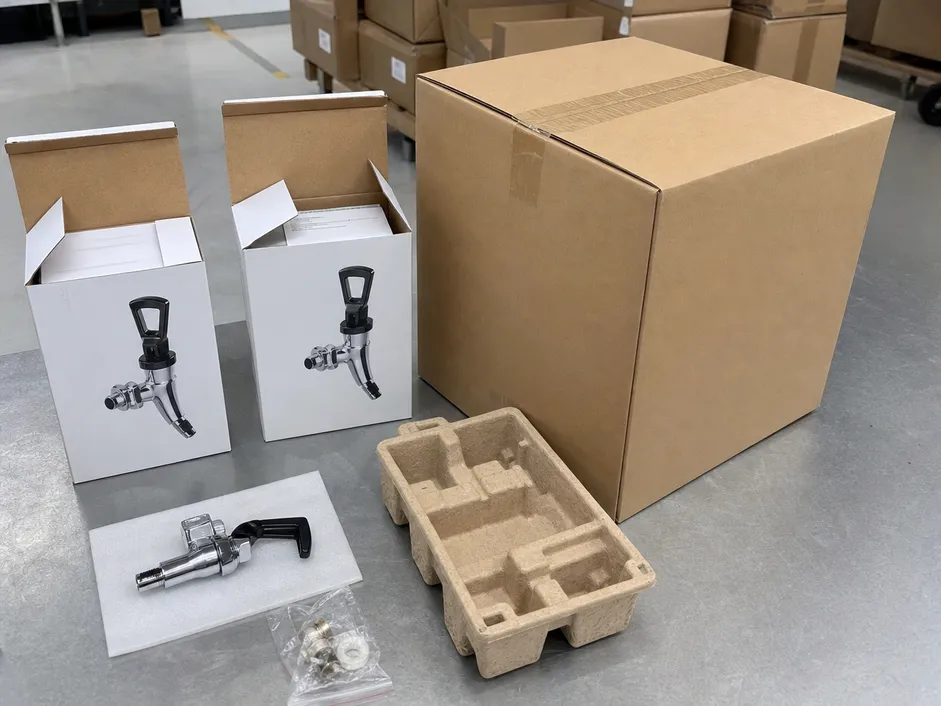
Beverage faucet retail box and master carton packaging configuration

Unit and Carton Specifications

Unit weight 0.4–0.6 kg per unit including packaging (standard gooseneck model)
Unit packaging White or color retail box with product photography, spec sheet insert, and installation hardware (mounting nut, supply line, compression fitting)
Inner carton 12 units
Master carton 48 units, approximately 28×28×32 cm, 12–15 kg gross

Container Loading Capacity

20GP Container

8,000–12,000

units depending on carton configuration and mixed-SKU packing

40HQ Container

18,000–24,000

units depending on carton configuration and mixed-SKU packing

We provide a packing list with CBM and gross weight per SKU before order confirmation, so your freight forwarder can quote accurately.

Lead Times

Catalog items 25–35 days from order confirmation to container loading
OEM / new tooling 35–50 days from order confirmation to container loading

Distribution Channel Configurations

E-Commerce / FBA

Amazon FBA, Wayfair, or direct-to-consumer fulfillment. We configure packaging to your warehouse's requirements: FNSKU labeling, poly-bag over retail box, specific carton dimensions for shelf storage, and suffocation warning labels where required.

Blind Drop-Shipping

Blind drop-shipping with your brand documentation is available for buyers running a direct-to-consumer channel alongside wholesale. Your brand identity is maintained throughout the fulfillment chain.

Project / Commercial Site Delivery

For project-based buyers — commercial kitchen contractors, hospitality fit-out — we can palletize by project SKU and include a packing list formatted for site delivery.

Buyer FAQ

Frequently Asked Questions

Common sourcing, compliance, and configuration questions from distributors, OEM buyers, and system integrators.

What is the difference between a beverage faucet and a standard water filter faucet?

The terms overlap, but beverage faucets typically refer to a slimmer, single-hole deck-mount faucet designed specifically for filtered or RO water dispensing — optimized for glass-filling with a higher spout clearance and a lower flow rate (0.5–1.0 GPM) suited to RO system output pressure. Standard water filter faucets may include two-handle configurations, higher flow rates, and broader body styles suited to general filtered water use.

For RO system bundling, a beverage faucet is the standard pairing. For general under-sink filtration, either works — the choice depends on your downstream customer's preference and the system's output pressure.

Does a beverage faucet need to be NSF/ANSI 61 certified to sell in the US?

NSF/ANSI 61 certification on the product itself is not universally required by federal law, but it is required by many state plumbing codes and increasingly specified by commercial and institutional buyers. What is federally required (under the Reduction of Lead in Drinking Water Act) is that the faucet meet the ≤0.25% weighted average lead content threshold — which our cUPC certification covers.

For buyers supplying commercial accounts or states with stricter code requirements, we can provide SGS material test reports confirming NSF/ANSI 61 material compliance. If your accounts require the NSF/ANSI 61 mark on the product, discuss this at the inquiry stage — the certification pathway requires additional testing and timeline.

What inlet connection size do beverage faucets use, and does it matter for RO system compatibility?

Standard residential RO systems use either 3/8" or 1/4" tubing for the product water line. Our standard beverage faucet ships with a 3/8" compression fitting, which covers the majority of residential RO installations. 1/4" compression is available as a catalog option for systems using 1/4" tubing.

If your OEM customer has a proprietary connection, provide the fitting specification at the inquiry stage and we'll confirm compatibility or quote a custom fitting.

What is the minimum order quantity for a custom-branded beverage faucet?

200 pieces for OEM runs using existing body tooling — this covers custom finish, branded handle (if using existing handle tooling), custom packaging, and private label documentation. Runs requiring new casting tooling (custom spout geometry, new handle profile) have a 500-piece minimum to amortize tooling cost.

Most new buyers start with a 2-unit sample order to validate the product with their own customers before committing to an OEM run.

How do I specify the right finish for a coastal or high-humidity market?

For coastal markets (Southeast Asia, Gulf states, coastal Australia, Florida), specify PVD finishes — PVD gold, PVD matte black, or brushed nickel with PVD topcoat. PVD coatings pass 200+ hours salt spray versus 24–48 hours for standard electroplated chrome.

Chrome is fine for standard indoor residential use in temperate climates; in high-humidity or salt-air environments, the PVD option reduces warranty claims meaningfully. If you're unsure which finish your market needs, send us your target geography and we'll recommend based on what our existing distributors in that region are specifying.

What lead time should I plan for a first order?

Catalog Items

25–35 days

Standard body, finish, packaging — from order confirmation to container loading

OEM (Existing Tooling)

30–40 days

Custom finish, branded packaging, private label

OEM (New Tooling)

35–50 days

Custom handle or spout — includes 15–20 days for tooling fabrication and first sample approval

Sample orders ship within 5–7 business days.

Manufacturer Direct Since 2008

Get a Quote for Beverage Faucets

Most buyers in this category start with a 2-unit sample order — one in chrome, one in brushed nickel — to test fit and finish with their own customers before committing to an OEM run. We can ship samples within 5–7 business days.

If you're ready to discuss volume pricing, send us your target SKU configuration (body style, finish, inlet size, branding requirements) and annual volume estimate. We'll come back with a detailed quote and, if relevant, a recommendation on which configuration fits your market best.

WhatsApp

+86 18145781319

Address

Block A, Jinsha Smart Manufacturing Park, No. 88 Xilian East Road, Danzao Town, Nanhai District, Foshan City, Guangdong Province, China (528216)

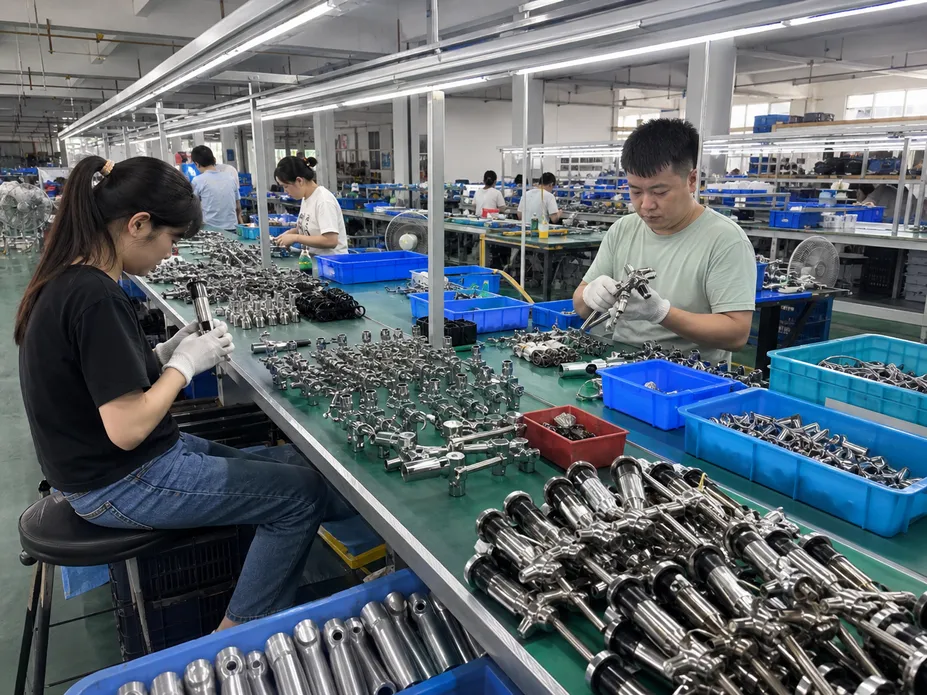
Wfaucet manufacturing facility — beverage faucet production line

What to include in your inquiry

  • Target SKU configuration — body style, finish, inlet size (3/8" or 1/4")
  • Annual volume estimate and whether you need OEM/private label
  • Target market geography (for finish and certification guidance)
  • Certification requirements — cUPC, CE, WaterMark, NSF/ANSI 61 mark
  • Proprietary fitting specs if your RO system uses a non-standard connection

Start with samples

A 2-unit sample order (chrome + brushed nickel) ships within 5–7 business days. Most buyers use this to validate fit and finish with their own customers before committing to an OEM run. No tooling cost at sample stage.